DHI hair transplantation can be solution for hairless problems. Hair loss problems may begin in men and women at a certain period of life. There are many causes depending on genetic and environmental factors. These can be grouped under sub-headings such as various fungal infections, stress-related shedding, hormonal-related shedding, and shedding of unknown origin. Although the area of hair transplantation is mostly concerned with hormone-related, that is, testosterone-related hair loss in men, hair transplantation can be performed for any hair loss if the patient does not have a permanent and chronic disease.
Operation time
Anesthesia
Maximum grafts
1st Checkup
Return to Routine
Healing Time

Still unsure? Feeling overwhelmed? Talking to a real doctor can give you the guidance and reassurance needed. You don’t have to do it alone. Let’s find the right doctor together.
Nominated Individual
Dr. Kuddusi Onay
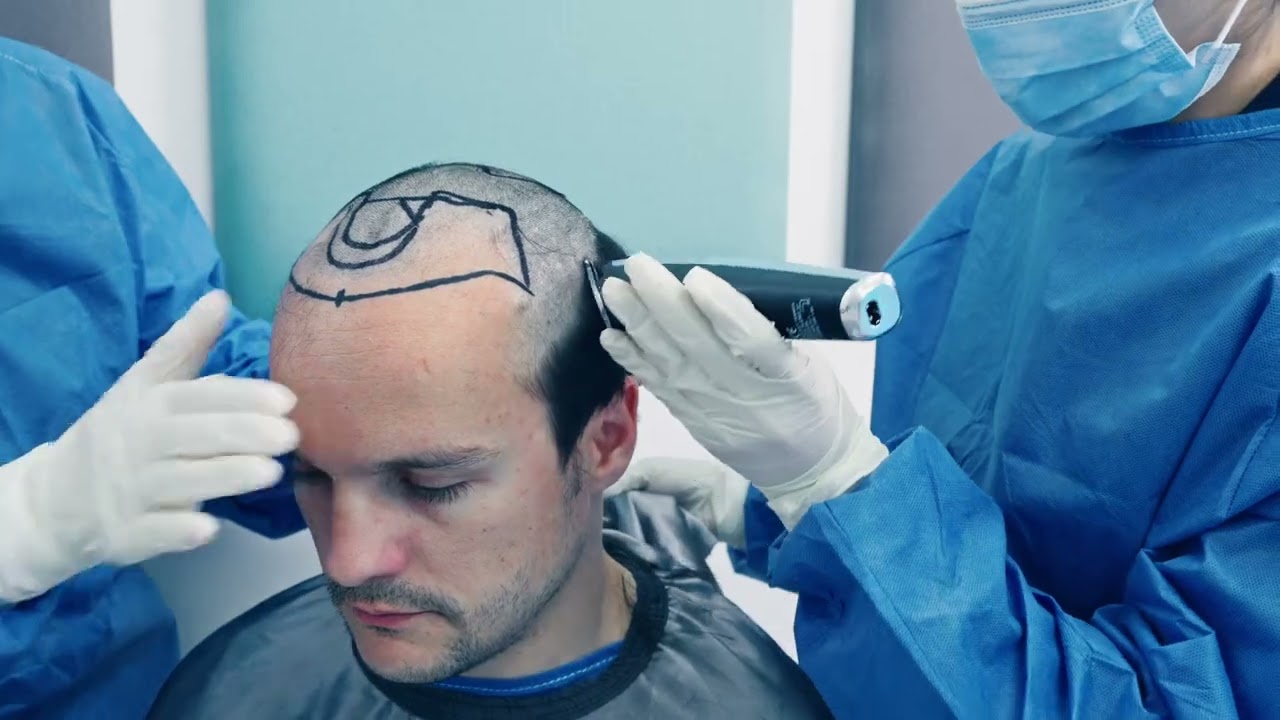
In men, testosterone is the primary hormone that affects the loss of hair follicles. While the hair follicles are more sensitive on the front, top and even the top of the head, they are more durable in the lateral areas of the head, which we call the donor area, extending as far as the back and front ear. Here, the type of hair loss and onset areas that differ from person to person varies according to the genetic structure of the person and environmental factors. DHI hair transplantation can be solution for all these problems. Specially unshaven hair transplantation can be possible with this method.
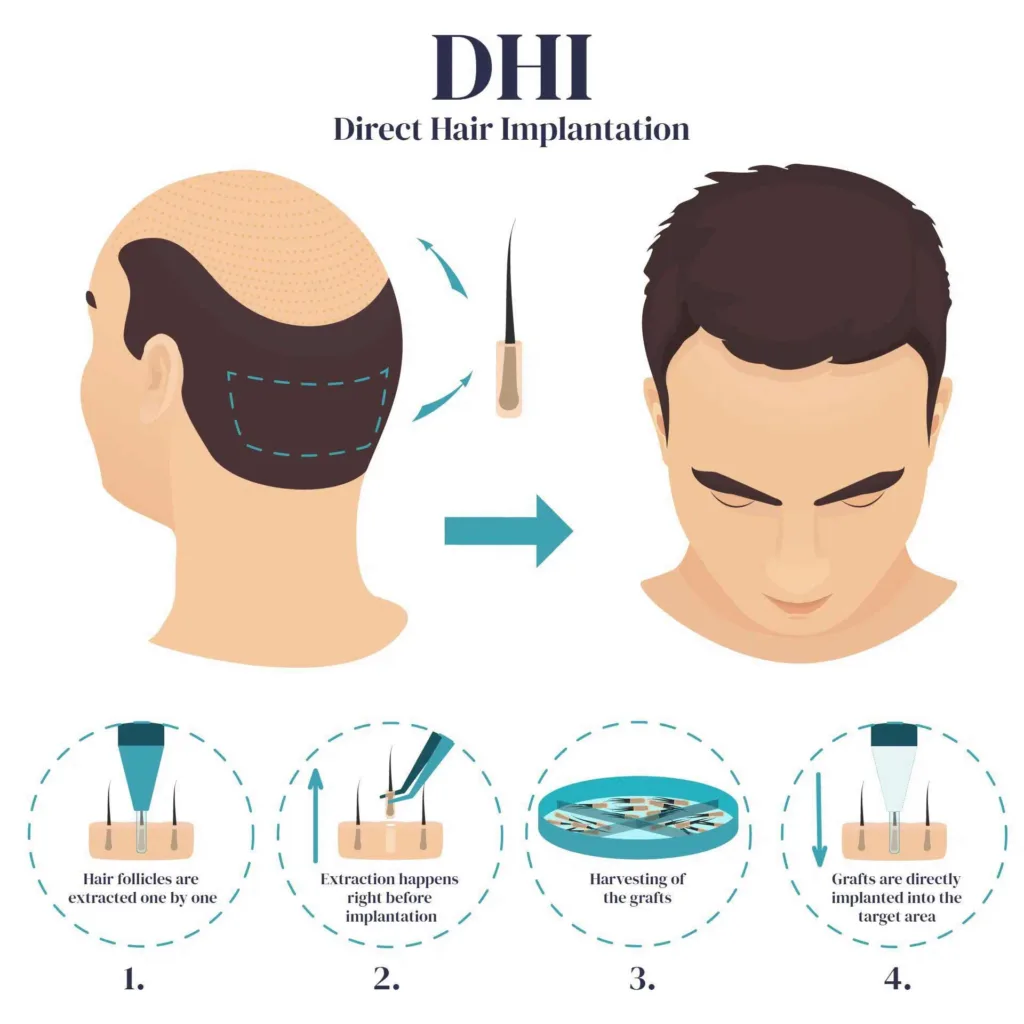
Since the first hair transplantation, different hair follicle transfer, that is, hair transplantation methods, have been developed, and various techniques have emerged. The different techniques formed here include different combinations according to the change of the shape of the separation of the grafts from the donor area and the change of the shapes of the re-implantation of the grafts. The issue that constitutes the DHI (direct hair implantation) technique is a technique in which a different technology is used at this time when the removal of the graft from the tissue does not change, but the placement of the graft under the skin, that is, it’s standing in the tissue space, differs. This method has many advantages over other methods. Excellent results can be obtained when it is done with a specialist doctor and his team. DHI hair transplantation can be solution for all these problems. Specially unshaven hair transplantation can be possible with this method.
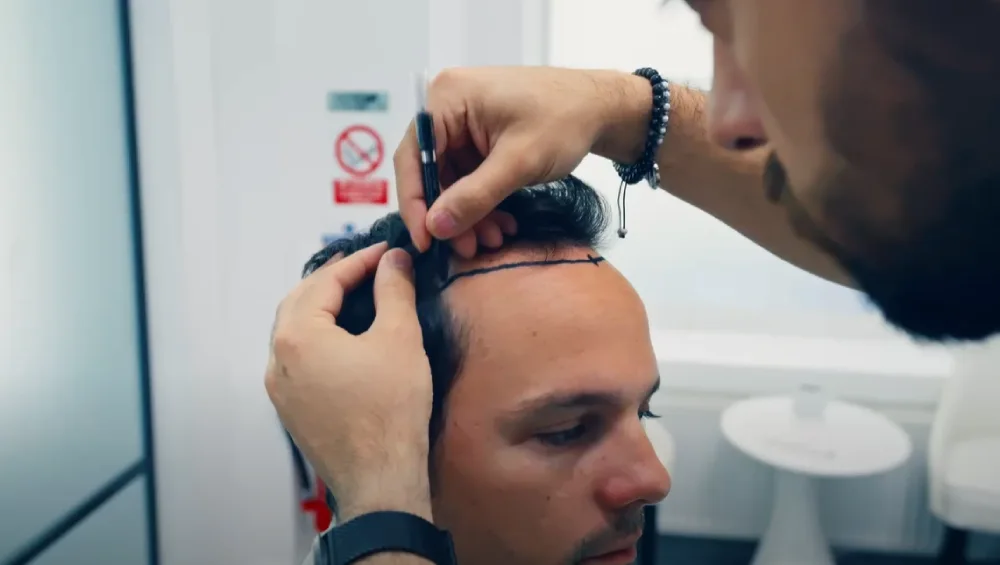
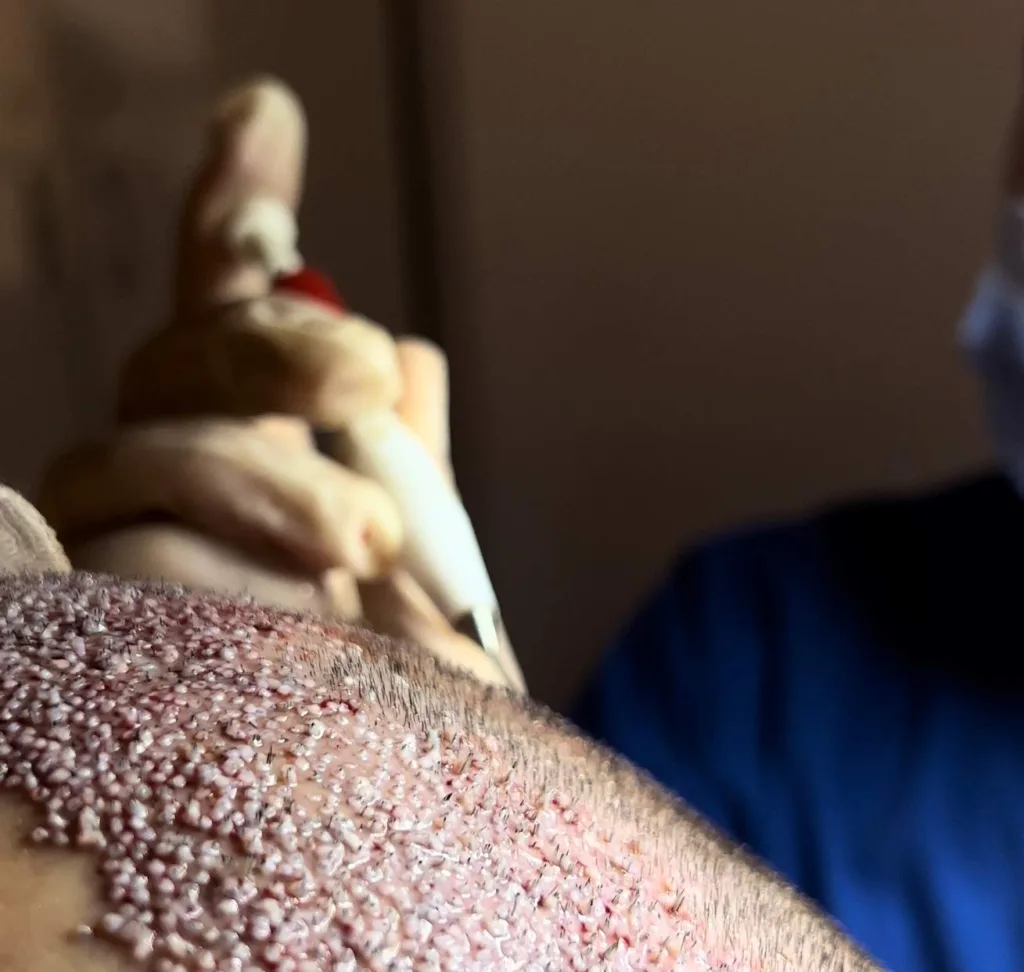
The shortening of the healing time and less scar formation during the procedure are the main reasons for choosing this technique. In this method, at the beginning of the process, the grafts are taken out with the Fue method. Choi-Pen, which is a DHi pen, is used when the implantation phase is started after the grafts are taken out and wait in a special solution. The extracted roots are placed one by one in the Choi_pen I pen that we use in the DHI well method. This Choi-Pen used is a hollow pen with a sharp tip, as you can see in the picture. The sharp needle at the tip is a hollow metal structure suitable for skin and medical procedures. When this needle enters the skin and opens a microchannel, the root pushed from the other end of the pen is left in the opened space in one move. Microchannel opening in the skin and placing the graft in this channel are done at the same time. The most crucial issue here is that after the grafts are collected, determining the appropriate planting area, selecting the appropriate front line, choosing the appropriate distribution and planting directions of the grafts (extension directions of the grafts) are completely dependent on the skill of the cliché. For this reason, the doctor and his team performing this procedure must be very experienced.
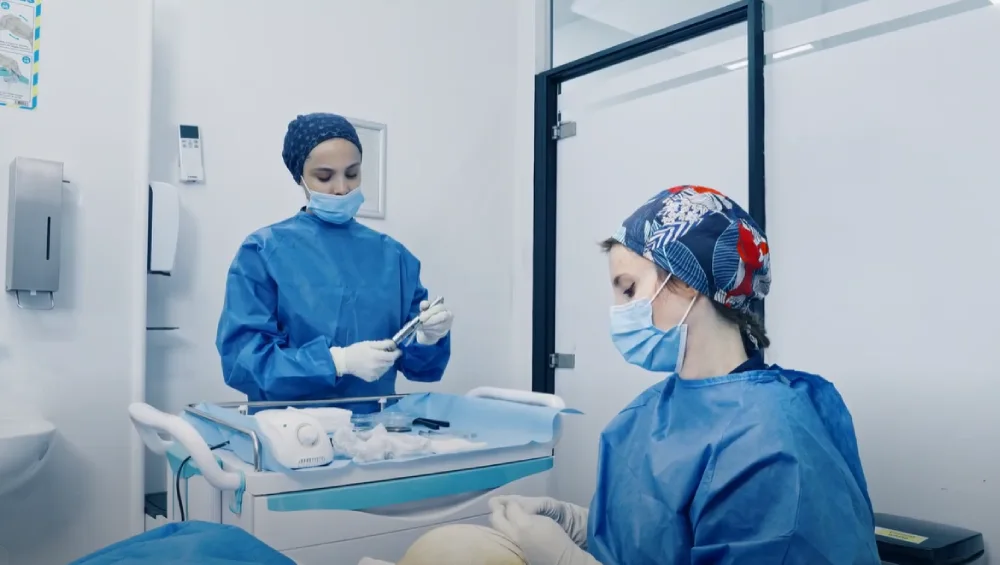
Although DHI hair transplantation is not a major surgical procedure, the risk of infection is less than in other types of hair transplantation since microchannel opening and placement of grafts in this channel are not separate procedures. However, when evaluated from this point of view, it is essential to use a reliable team, a sterile environment and quality materials to avoid infection. Wound healing is also faster since there is no extra micro-channel opening step in DHI transplantation.
In this type of transplantation, the experience of the practitioner, whether the doctor accompanies the procedure, and the quality of the devices used are crucial, and most of the latest models and top-quality moles are used in our centre. You can make a consultation with our doctors who apply to our centre to minimize the risk of infection, to keep the wound healing time short and to have this done in the safest centres accompanied by doctors.
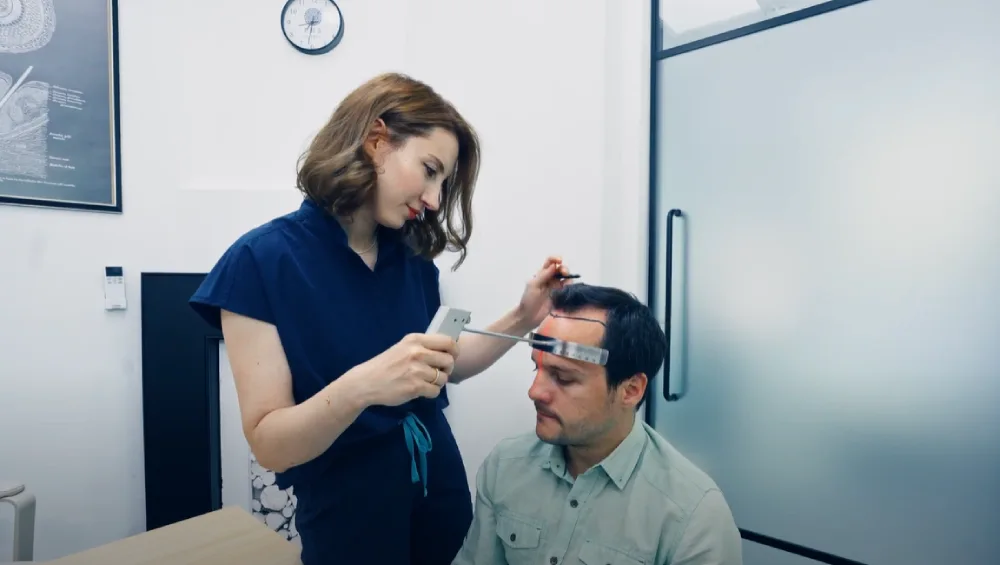
Before the hair transplantation, the suitability of the patient for the operation should be evaluated. For this, it must pass an inspection. For example, Even if the hair transplant operation is successful, individuals with some health problems may not get very productive results. There are some reasons for a person to have a hair transplant. There should be sufficient healthy hair in the donor areas where the grafts will be taken. A person’s expectations from hair transplantation should be realistic. Otherwise, he may not be a suitable candidate for the procedure.
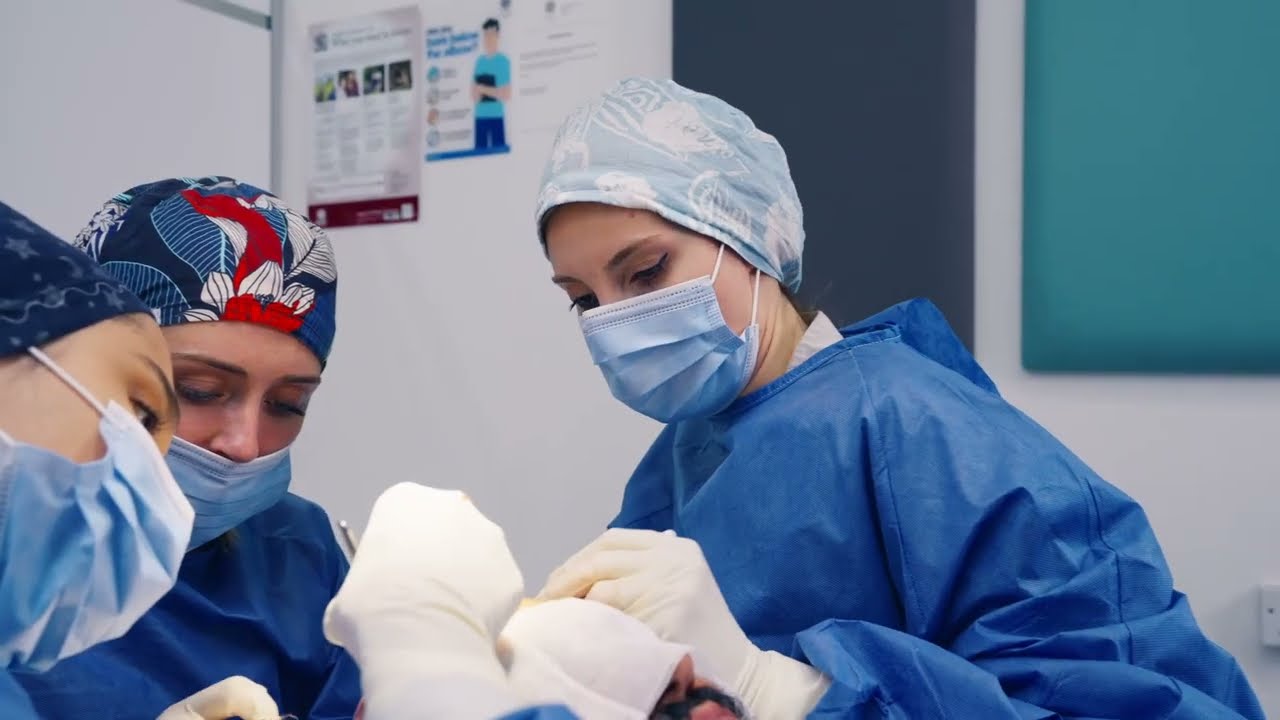
The duration of hair transplantation varies according to the number of grafts to be transplanted in operation. It usually varies between 6-8 hours. You can also listen to music or watch movies during hair transplantation. Most of the patients find the operation time quite reasonable.
About 2 to 4 weeks after hair transplantation, temporary hair loss is experienced. Temporary hair loss after FUE hair transplantation is a natural cycle of the healing process. Hair follicles enter the dormant period before starting the growth cycle and then fall out. In this process, the hair will fall out first. After a while, after the shock shedding process has passed, the transplanted hair will start to grow back.
Hair growth after a transplant is gradual. Initial growth can typically be observed around 3-4 months post-procedure, with full results visible within 9-12 months as your transplanted hair continues to grow.
Our procedures are performed under local anesthesia, which minimizes discomfort. Most patients report a painless experience during the procedure, with manageable discomfort during the initial healing phase.
The number of grafts needed varies depending on the extent of hair loss and desired density. During your consultation at FKS Clinic, our specialists will provide a clear assessment and an estimate of the required grafts.
Recovery after a hair transplant is generally quick, and most patients can resume daily activities within a week. Any minor redness or swelling typically subsides within a few days.