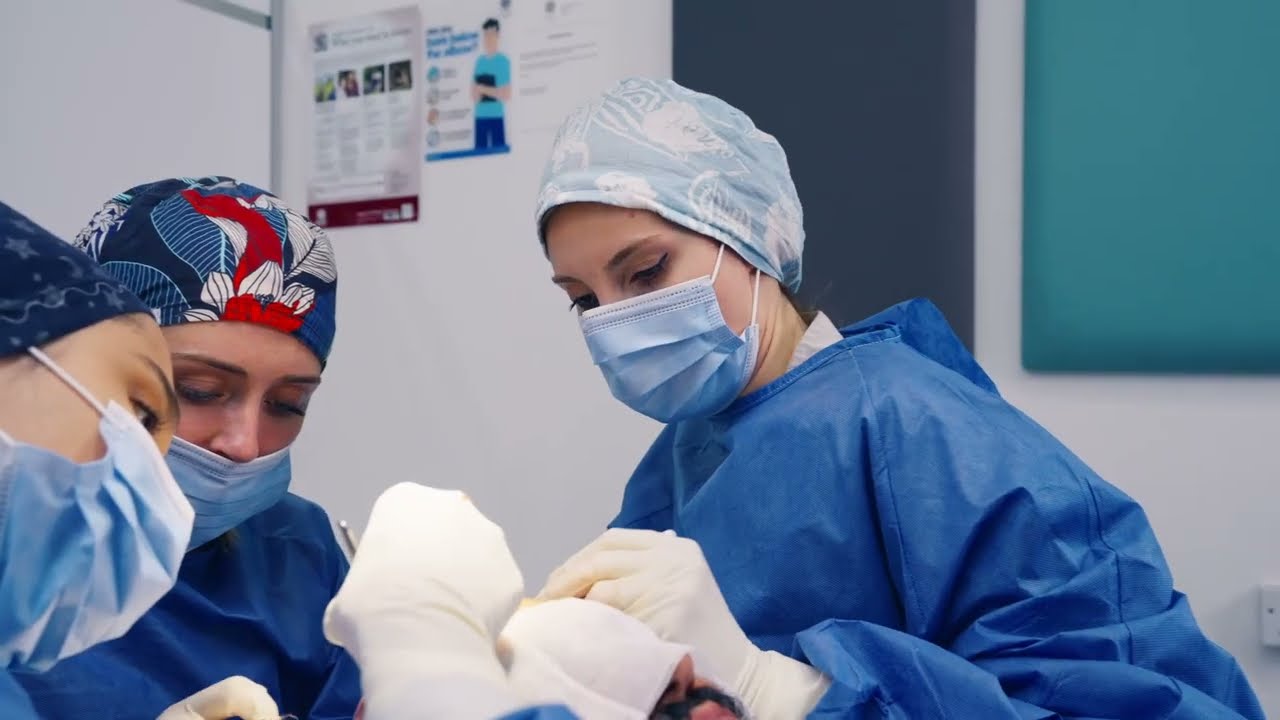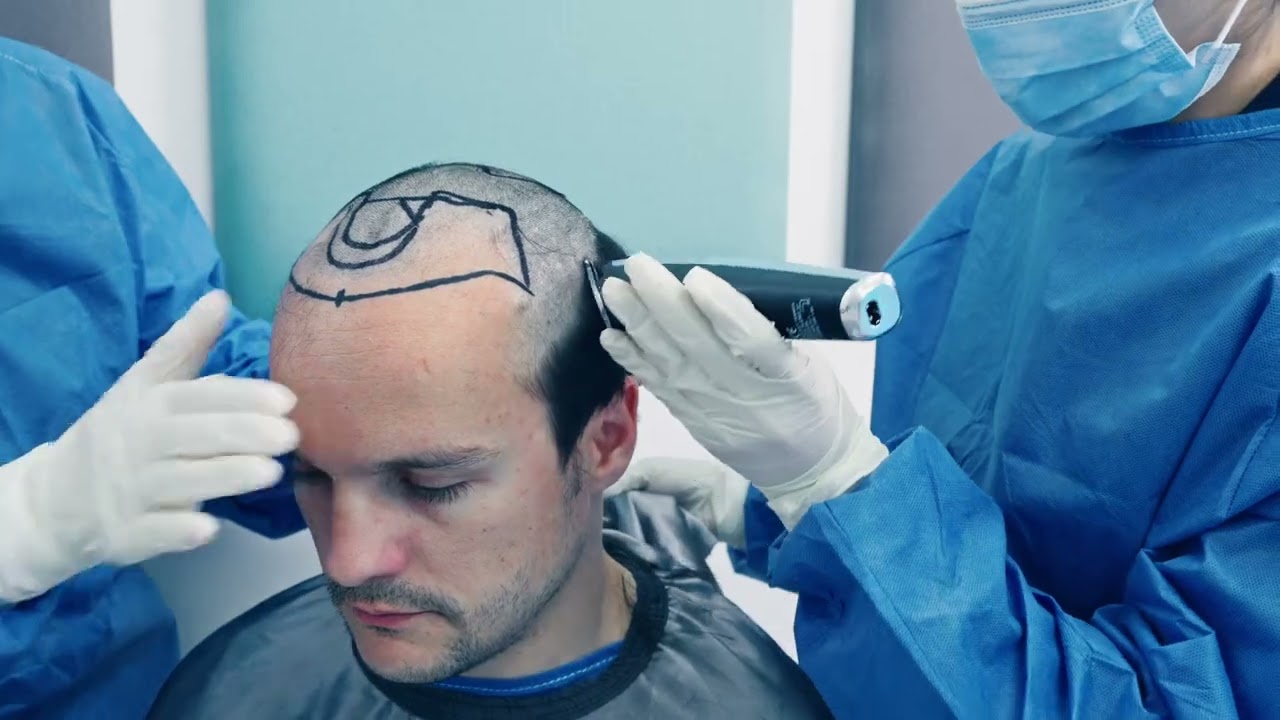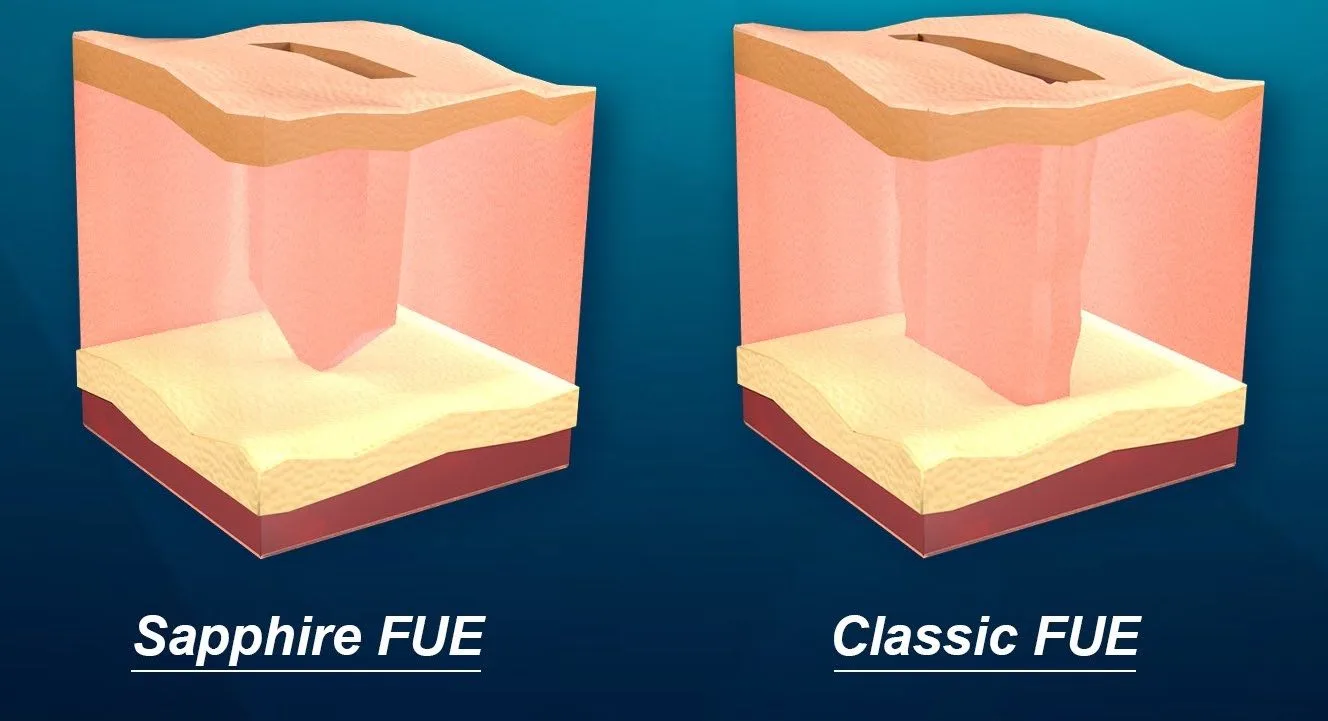
Sapphire FUE is an advanced version of the traditional Follicular Unit Extraction (FUE) technique, utilising a Sapphire Pen instead of standard steel blades during the implantation process. This innovation enhances precision, reduces trauma, and accelerates healing. Unlike conventional FUE, where metal blades create recipient incisions, the Sapphire Pen features ultra-sharp sapphire blades, allowing for smaller, more controlled micro-channels. This method improves graft survival rates, minimises scarring, and delivers more natural hair growth patterns.
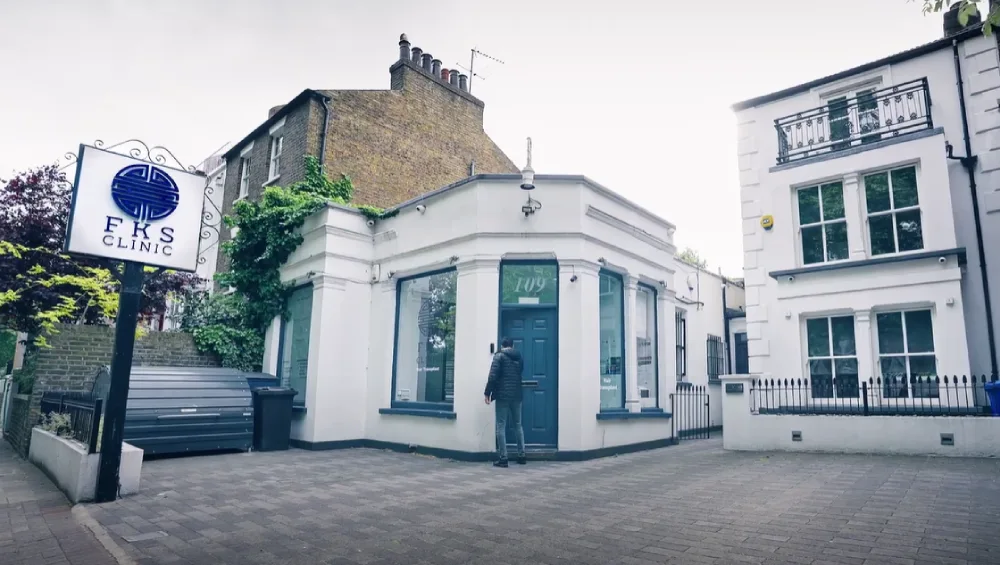
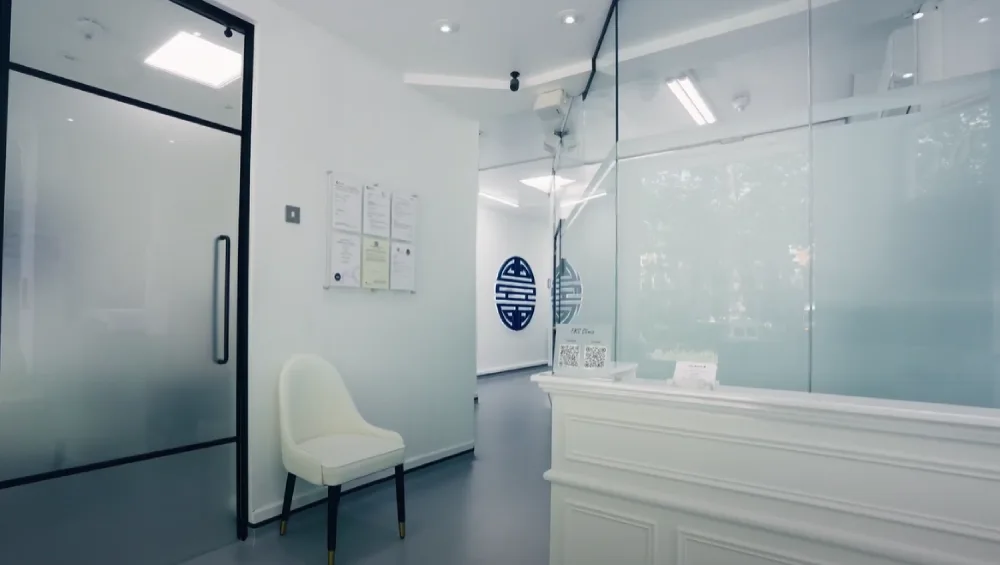
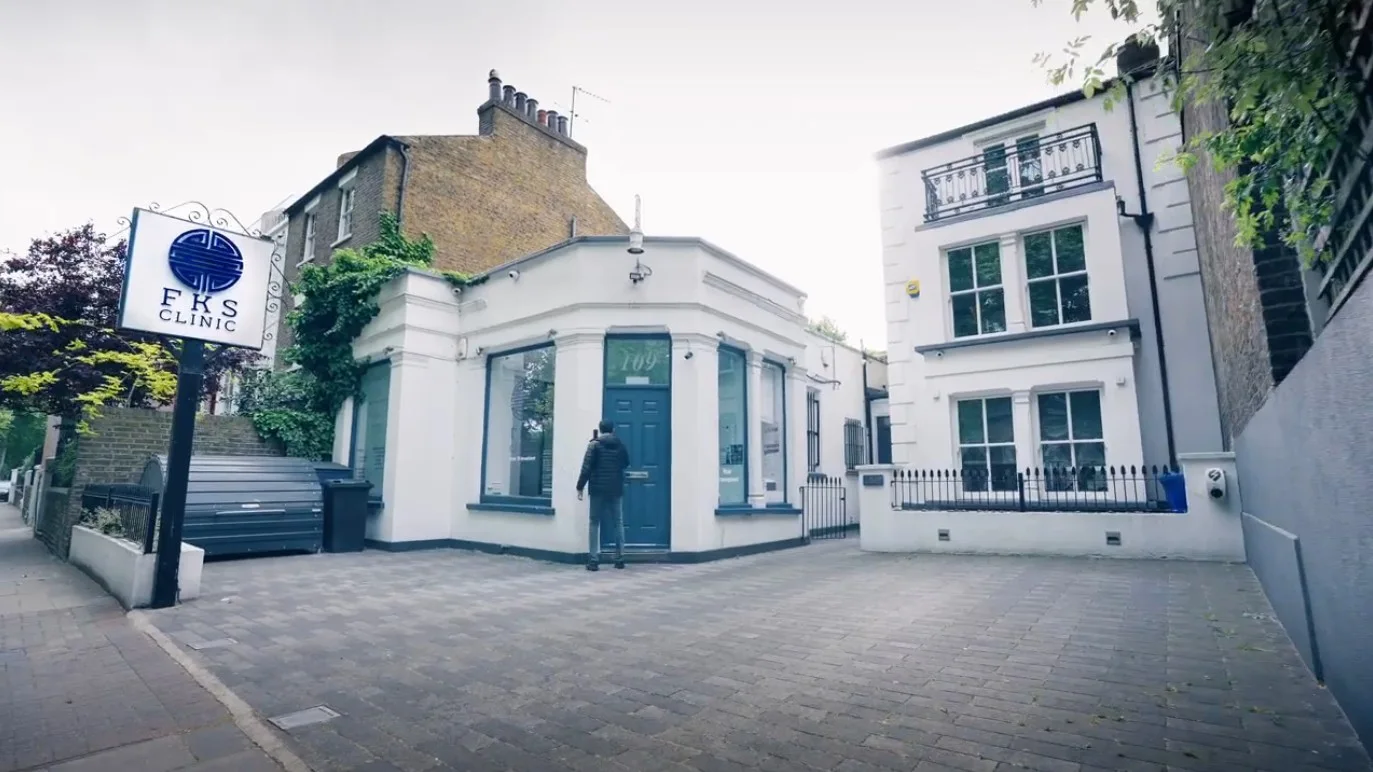
At FKS Clinic in London, we specialise in Sapphire FUE hair transplants, providing cutting-edge treatment tailored to each patient’s hair type, density needs, and aesthetic goals.
In parallel with the advances in technology, we are discovering more effective methods in the field of hair transplantation, shortening the healing process and increasing patient comfort. Sapphire FUE hair transplantation is one of the applications with proven advantages in this sense.
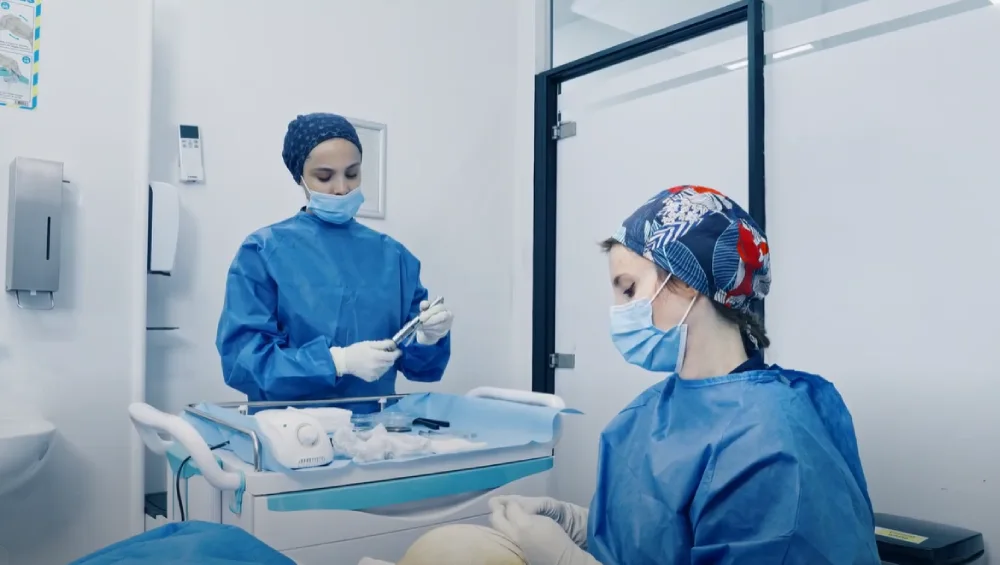
The Sapphire Pen is a revolutionary medical instrument made from pure sapphire crystal, renowned for its exceptional sharpness and durability. It is specifically designed for making precise incisions in the recipient area, offering a range of benefits over traditional steel tools.
Operation time
Anesthesia
Maximum grafts
1st Checkup
Return to Routine
Healing Time

Still unsure? Feeling overwhelmed? Talking to a real doctor can give you the guidance and reassurance needed. You don’t have to do it alone. Let’s find the right doctor together.
Nominated Individual
Dr. Kuddusi Onay
Using the Sapphire Pen in FUE hair transplants brings multiple benefits:
✔️ Higher Density Results – The fine V-shaped incisions allow for closer graft placement, leading to thicker, fuller hair.
✔️ Faster Healing – Smaller micro-channels reduce trauma, meaning less swelling, minimal scabbing, and quicker tissue regeneration.
✔️ Reduced Scarring – Sapphire incisions cause less disruption to the scalp, leaving no visible scars, even with short hairstyles.
✔️ More Natural Angles – The precision of sapphire blades ensures that transplanted hairs align seamlessly with existing hair growth.
✔️ Less Postoperative Discomfort – Due to minimal tissue damage, patients experience less pain, redness, and swelling compared to regular FUE.
Among the most popular modern methods are Choi Pen (also known as Direct Hair Implantation – DHI) and Sapphire FUE. While both techniques are based on the FUE (Follicular Unit Extraction) principle, they differ in the tools used and the manner in which follicles are implanted. Understanding these differences is essential in choosing the most suitable option for individual needs and expectations.
Sapphire Pen (FUE)
Tiny incisions are created using sapphire-tipped blades.
The grafts are then placed into these channels.
The sapphire tip causes less trauma and encourages faster healing.
Choi Pen (DHI)
Hair follicles are loaded into a special pen-like device (the Choi Pen).
With this pen, both the incision and implantation occur simultaneously.
It is particularly preferred for increasing density and designing the frontal hairline.
| Choi Pen (DHI) | Sapphire FUE | |
|---|---|---|
| Technique | Incision and implantation performed at the same time | Incisions made first, then grafts implanted |
| Instrument | Special Choi implanter pen | Sapphire-tipped micro blade |
| Incision Size | Very fine punctures | Smooth, microscopic channels |
| Density | Allows higher density | Density may be more limited |
| Bleeding | Minimal | Minimal (thanks to sapphire blade) |
| Healing Time | Shorter | Short, though slightly longer than DHI |
| Best Suited For | Frontal hairline, localised densification | Larger balding areas |
| Operation Duration | Longer (more meticulous) | Generally shorter |
| Cost | Usually more expensive | Relatively more affordable |
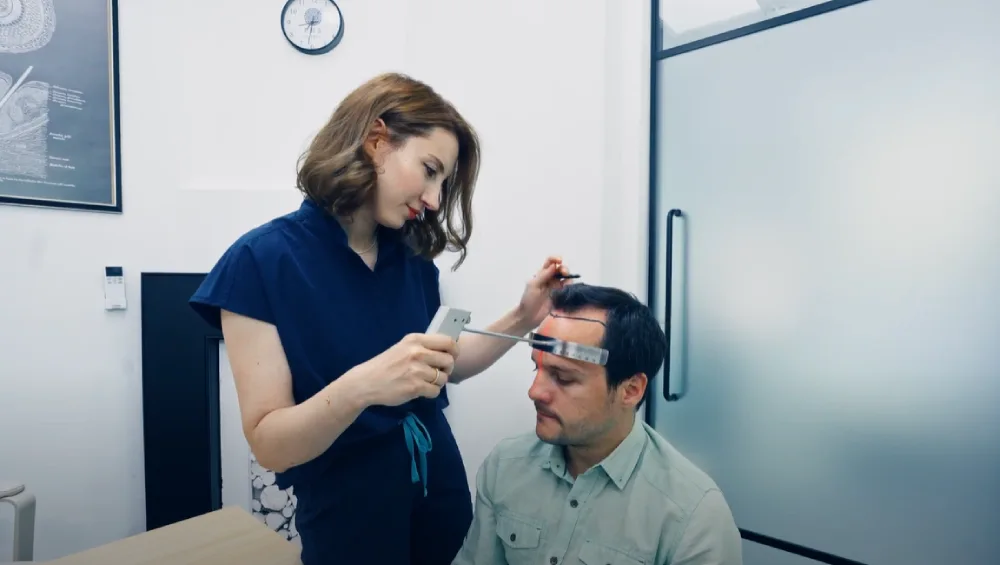
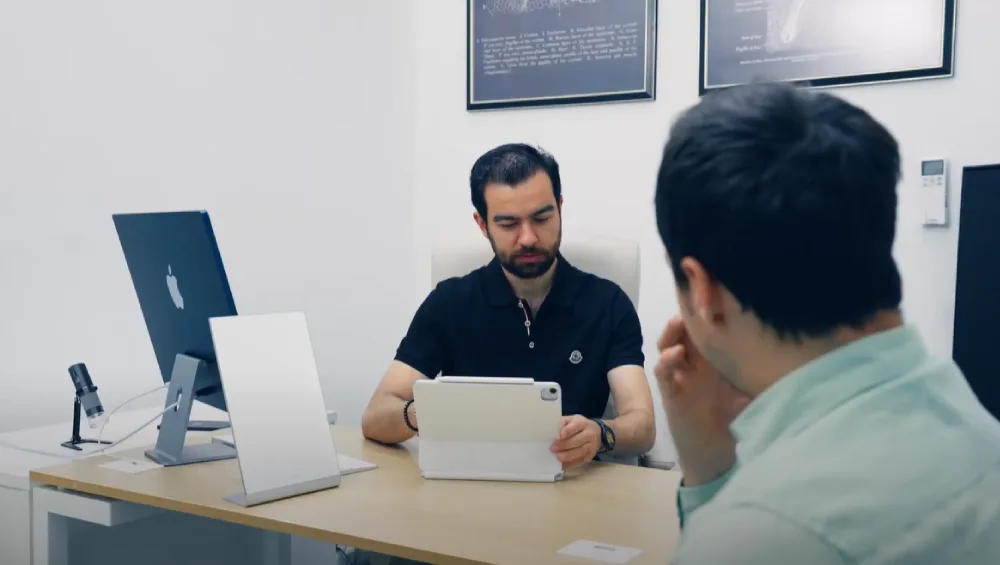
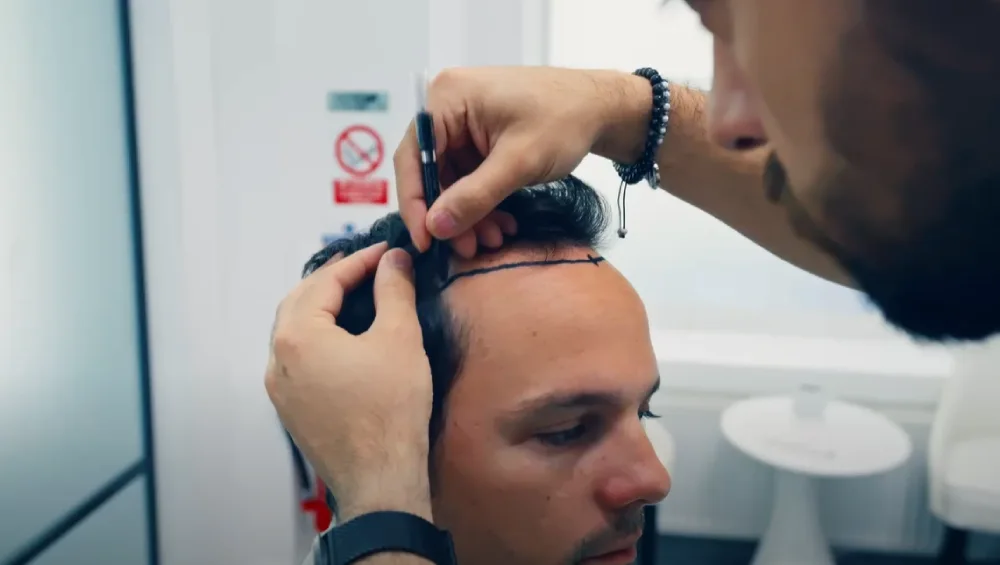
Before the hair transplantation, the suitability of the patient for the operation should be evaluated. For this, it must pass an inspection. For example, Even if the hair transplant operation is successful, individuals with some health problems may not get very productive results. There are some reasons for a person to have a hair transplant. There should be sufficient healthy hair in the donor areas where the grafts will be taken. A person’s expectations from hair transplantation should be realistic. Otherwise, he may not be a suitable candidate for the procedure.
The duration of hair transplantation varies according to the number of grafts to be transplanted in operation. It usually varies between 6-8 hours. You can also listen to music or watch movies during hair transplantation. Most of the patients find the operation time quite reasonable.
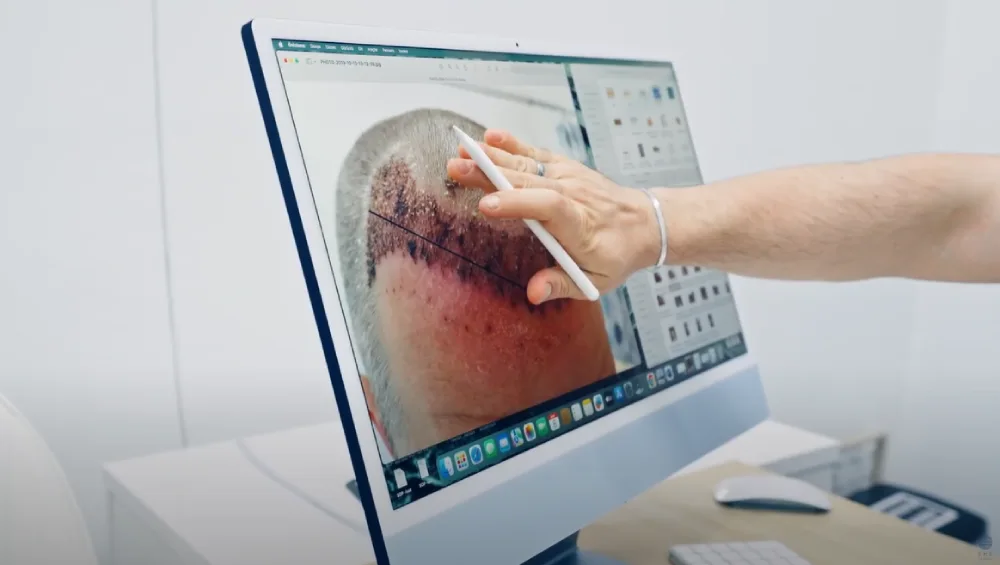
About 2 to 4 weeks after hair transplantation, temporary hair loss is experienced. Temporary hair loss after FUE hair transplantation is a natural cycle of the healing process. Hair follicles enter the dormant period before starting the growth cycle and then fall out. In this process, the hair will fall out first. After a while, after the shock shedding process has passed, the transplanted hair will start to grow back.
Hair growth after a transplant is gradual. Initial growth can typically be observed around 3-4 months post-procedure, with full results visible within 9-12 months as your transplanted hair continues to grow.
Our procedures are performed under local anesthesia, which minimizes discomfort. Most patients report a painless experience during the procedure, with manageable discomfort during the initial healing phase.
The number of grafts needed varies depending on the extent of hair loss and desired density. During your consultation at FKS Clinic, our specialists will provide a clear assessment and an estimate of the required grafts.
Recovery after a hair transplant is generally quick, and most patients can resume daily activities within a week. Any minor redness or swelling typically subsides within a few days.