banner 1
  • Sapphire FUE
  • 4000 Grefts
cqc 1
Get Free Consultation
For your assessment, an online or telephone consultation with one of our patient consultants is provided free of charge.

Afro-Caribbean Hair Transplant

People of all races in the world face the problem of hair loss. The hair structure of individuals of African or Caribbean origin is more specific. In this type of patient, the structure of the grafts is curly, and the roots are curved in the shape of a C. All these differences require the application of hair transplantation by an experienced and professional team who has done many cases on this subject. Otherwise, it will be a waste of health and time. Then the hair reserve in the donor area may also be damaged. As a result, the patient will not have a chance to correct with the second transplantation. We have a number of patients who wants to Afro-Caribbean Hair Transplant.

Get Free Consultation
For your assessment, an online or telephone consultation with one of our patient consultants is provided free of charge.
wall clock
5 Hours

Operation time

syringe
Local

Anesthesia

handshake
Maximum Service

Maximum grafts

hair transplant
2 Weeks

1st Checkup

24 hours
24 Hours

Return to Routine

heart rate
90 Days

Healing Time

LET'S TALK

kuddusi

Still unsure? Feeling overwhelmed? Talking to a real doctor can give you the guidance and reassurance needed. You don’t have to do it alone. Let’s find the right doctor together.

Nominated Individual

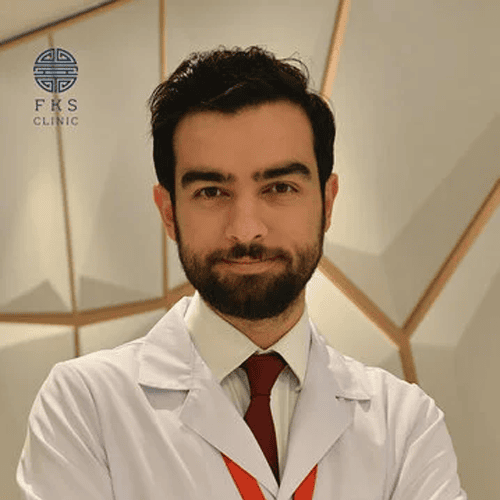
Dr. Kuddusi Onay

Operations Planning In Afro-Caribbean Hair Transplant

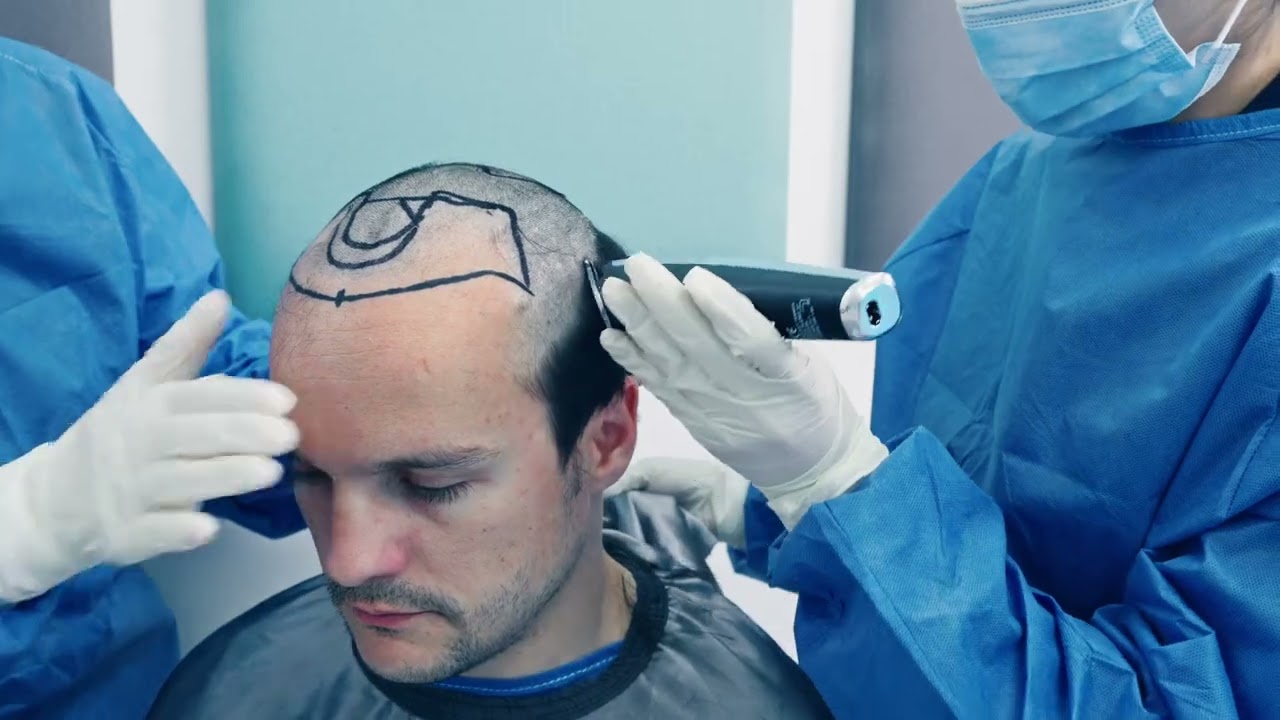
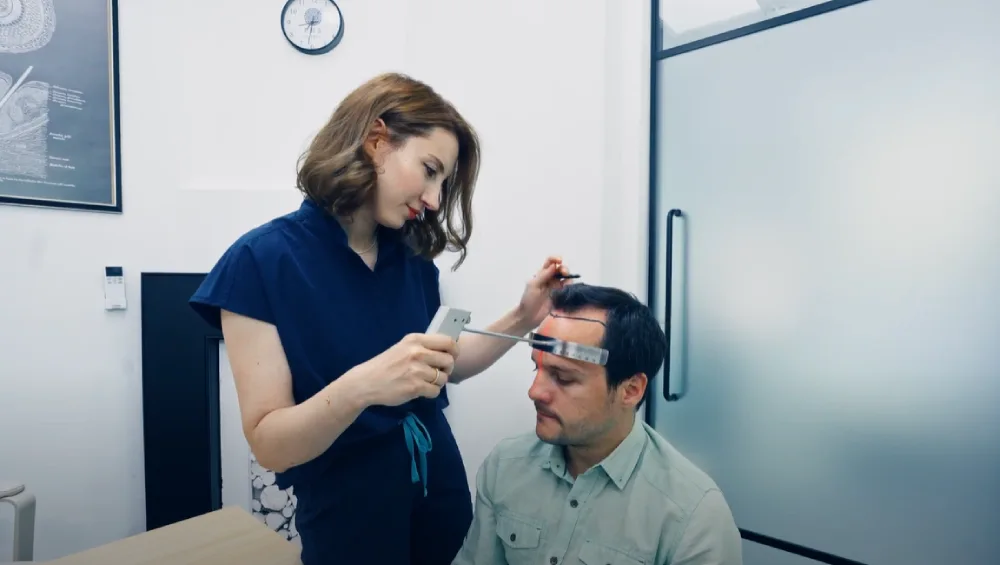
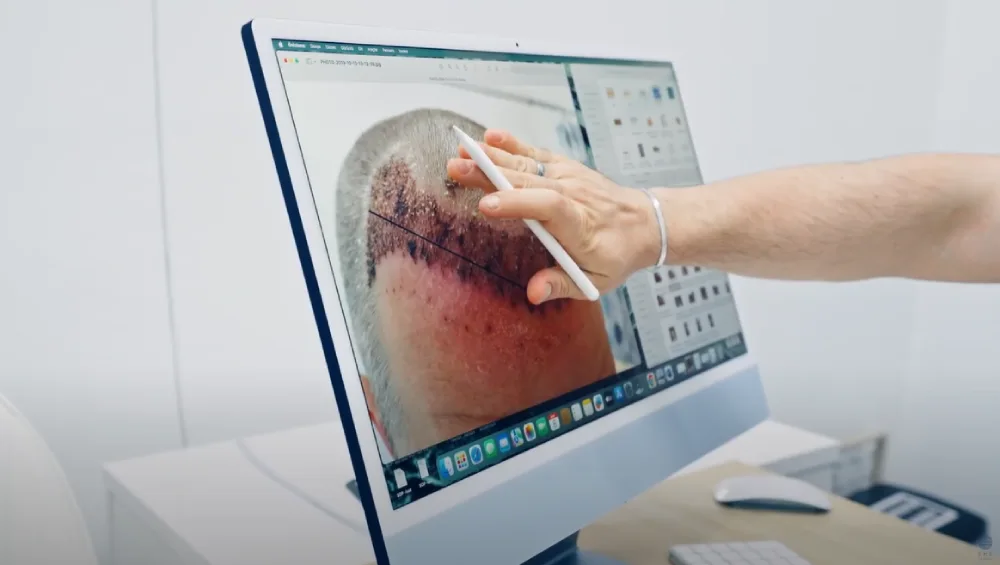
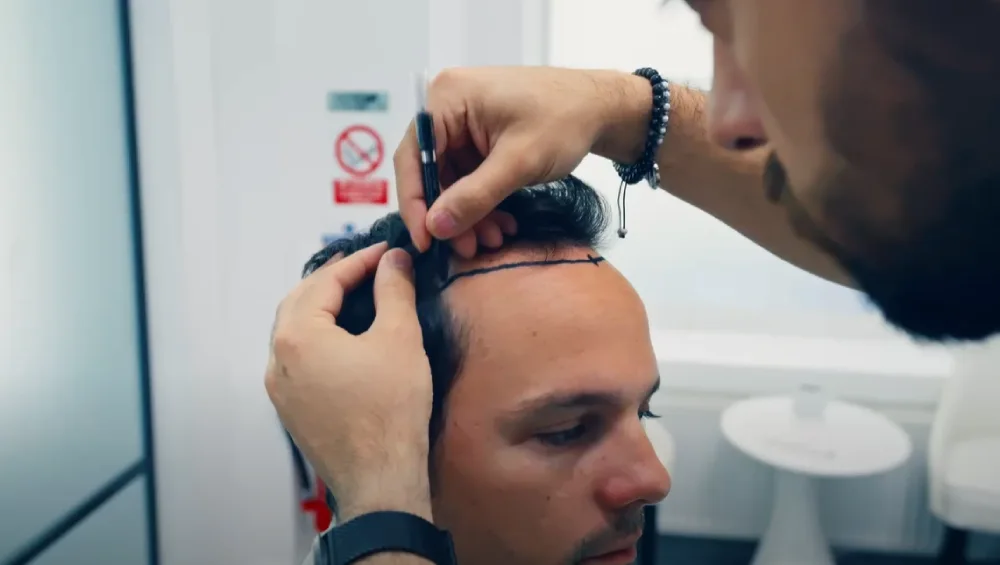
The anterior hairline of African-American patients generally starts lower than that of Caucasians. With the influence of cultural tastes, they may want their front hair lines straight and without curves. Since the hair strands are curly, this front-line planning can achieve a natural look. As Fks Clinic physicians, who have all these experiences, our communication with the patient is vital, especially in the planning part.

IMG 0742
IMG 5137

FUE-Canal Opening-Plant Stages In Afro-Caribbean Hair Transplant

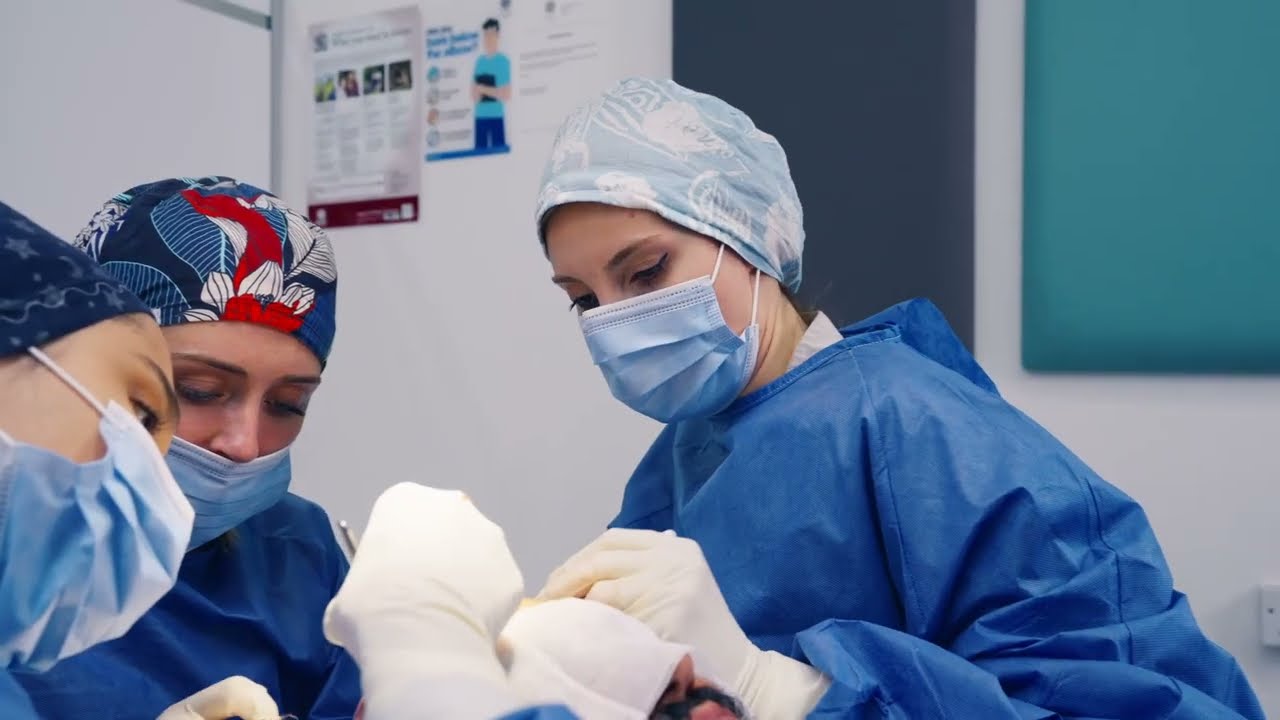
Fue stage; In such patients, the number of hair follicles in the donor area is less than in the white race; however, the hair strand changes direction by curving as it moves under the skin. Since the practitioner cannot see the subcutaneous tissue in the micromotor intake system, it requires a great deal of experience to determine the direction correctly and remove it without damaging the grafts.
Channel stage; Since the grafts are variable in size, in the shape of the letter c and are more sensitive to trauma, opening channels of appropriate length and width affects the adhesion rate.

Transfer stage; In the last part of the operation, grafts are taken with the Fue procedure. They are placed in individual channels without damaging the grafts.

According to Gizem Yarımbaş, “Every doctor in our clinic has performed countless Afro operations. Our technicians also have more than ten years of experience. C-shaped grafts are no different from straight hair types for us. We owe this to our experience and discipline.”

A Step-by-Step Look at the Hair Transplant Procedure​

step by step procedure
video 1
video 2
video 3
step by step procedure
video 1
video 2
video 3

Frequently Asked Questions

Before the hair transplantation, the suitability of the patient for the operation should be evaluated. For this, it must pass an inspection. For example, Even if the hair transplant operation is successful, individuals with some health problems may not get very productive results. There are some reasons for a person to have a hair transplant. There should be sufficient healthy hair in the donor areas where the grafts will be taken. A person’s expectations from hair transplantation should be realistic. Otherwise, he may not be a suitable candidate for the procedure.

The duration of hair transplantation varies according to the number of grafts to be transplanted in operation. It usually varies between 6-8 hours. You can also listen to music or watch movies during hair transplantation. Most of the patients find the operation time quite reasonable.

About 2 to 4 weeks after hair transplantation, temporary hair loss is experienced. Temporary hair loss after FUE hair transplantation is a natural cycle of the healing process. Hair follicles enter the dormant period before starting the growth cycle and then fall out. In this process, the hair will fall out first. After a while, after the shock shedding process has passed, the transplanted hair will start to grow back.

Hair growth after a transplant is gradual. Initial growth can typically be observed around 3-4 months post-procedure, with full results visible within 9-12 months as your transplanted hair continues to grow.

Our procedures are performed under local anesthesia, which minimizes discomfort. Most patients report a painless experience during the procedure, with manageable discomfort during the initial healing phase.

The number of grafts needed varies depending on the extent of hair loss and desired density. During your consultation at FKS Clinic, our specialists will provide a clear assessment and an estimate of the required grafts.

Recovery after a hair transplant is generally quick, and most patients can resume daily activities within a week. Any minor redness or swelling typically subsides within a few days.