Some of our patients are very shy about hair shaving. Among the main reasons for this situation, we can count the following:
• For most of our female patients, shortening their hair can be a traumatic experience.
• In hair transplantation, an unshaven transplant can be an excellent camouflage method in the healing process.
• People for whom cutting their hair would be a problem due to the nature of their job.
Operation time
Anesthesia
Maximum grafts
1st Checkup
Return to Routine
Healing Time

Still unsure? Feeling overwhelmed? Talking to a real doctor can give you the guidance and reassurance needed. You don’t have to do it alone. Let’s find the right doctor together.
Nominated Individual
Dr. Kuddusi Onay
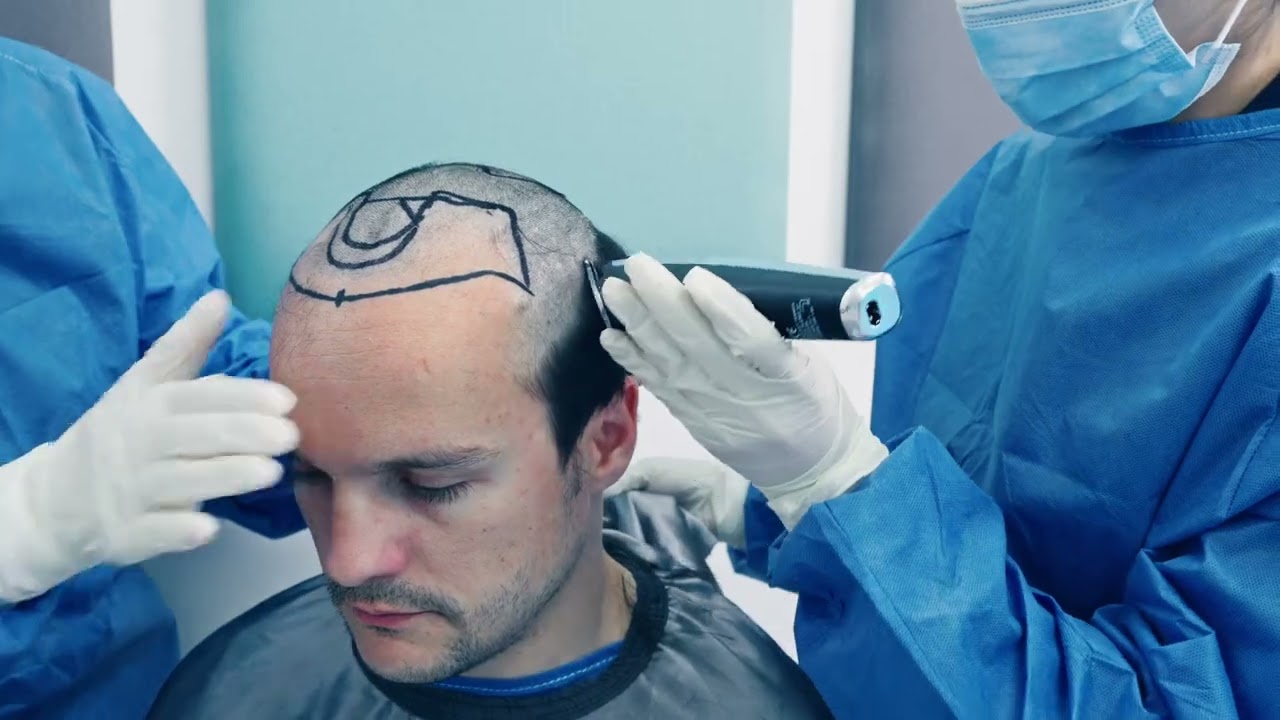
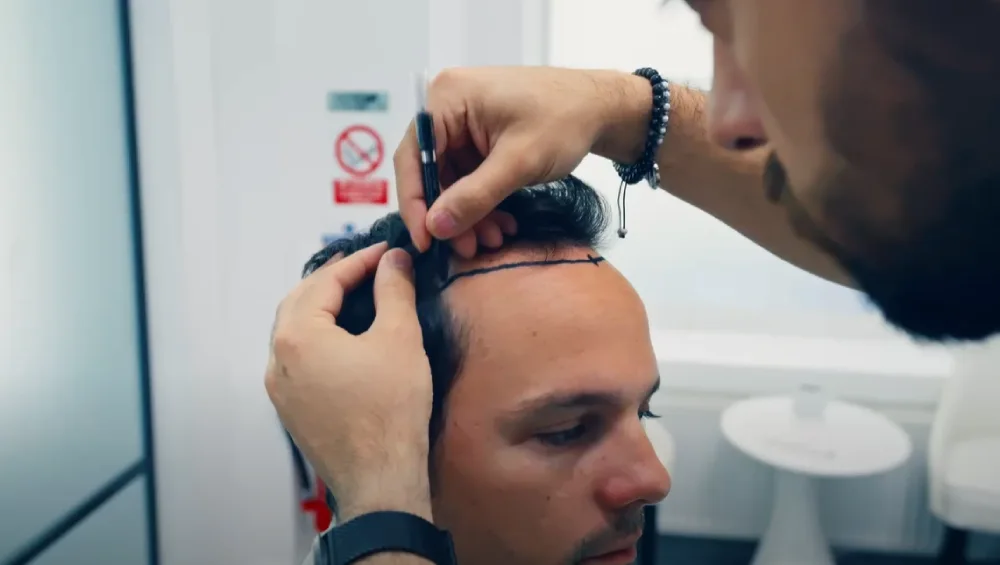
With DHI Hair Transplant, it is possible to have shaved or unshaven hair transplantation. Basically we have 3 different options:
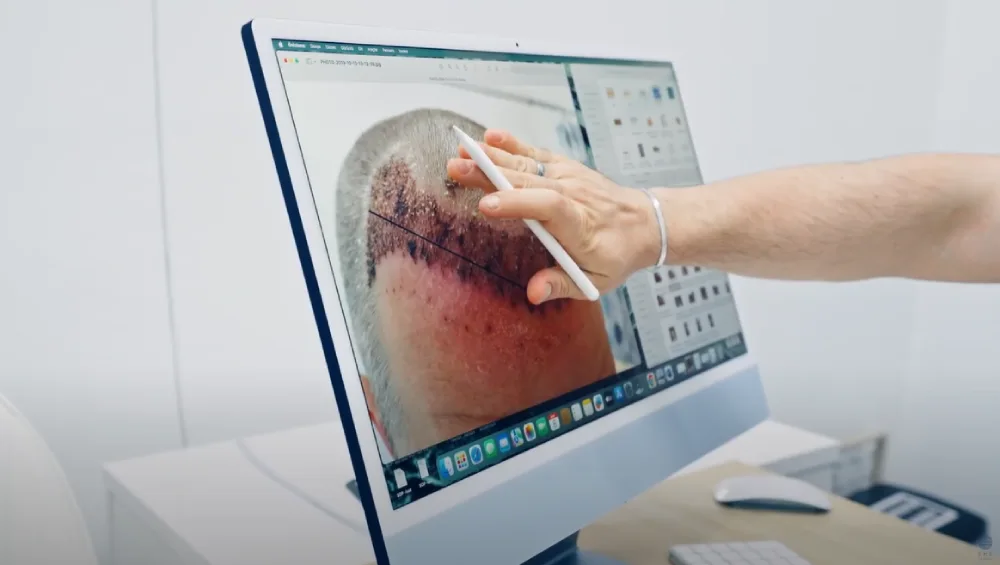
1- Partial Shaving method, which we call American shaving, of only the donor area
2- Partial Shaving method, which we call shaving in the form of a strip of only the donor area
3- A completely shaved recipient and donor area
We need to analyze these terms in detail. It is crucial for the patient to seek consultation from a qualified surgeon to determine if they are a good candidate for the unshaven hair transplant procedure. For example, if the patient has hair loss in a large area and requires an excessive amount of grafts (around 3,000-4,000 grafts), his hair will be completely shaved. The decision is usually made at the planning stage of the hair transplant process after the patient is examined by the doctor.
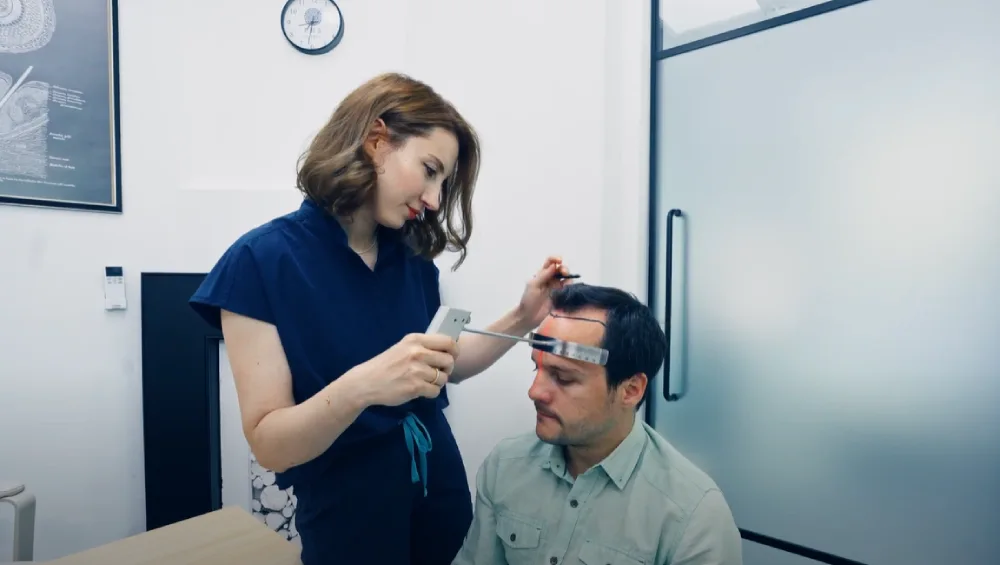
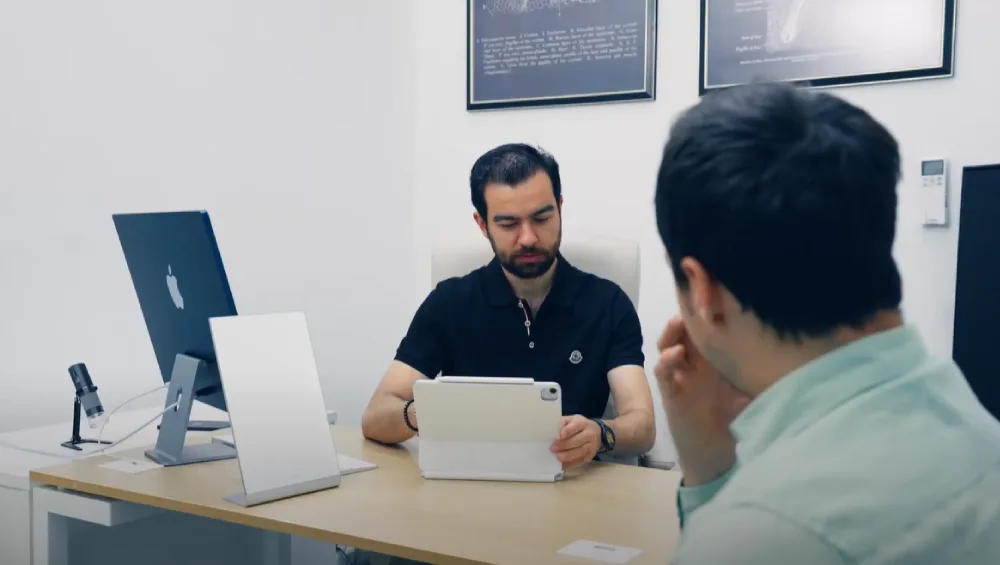
In patients who are suitable for Unshaven FUE, the doctor and the patient should decide together on the basic 2 options. Dr Kuddusi Onay, one of the founding doctors of FKS Clinic, shares her experiences in this regard as follows.
“During the one-on-one consultation with the patient before the operation, we offer the patient 2 options over the sample photographs. Some patients find shaving, also called American shaving, more suitable for them, and some patients choose strip shaving. Here, the patient and the doctor should make the right decision together.”
Before the hair transplantation, the suitability of the patient for the operation should be evaluated. For this, it must pass an inspection. For example, Even if the hair transplant operation is successful, individuals with some health problems may not get very productive results. There are some reasons for a person to have a hair transplant. There should be sufficient healthy hair in the donor areas where the grafts will be taken. A person’s expectations from hair transplantation should be realistic. Otherwise, he may not be a suitable candidate for the procedure.
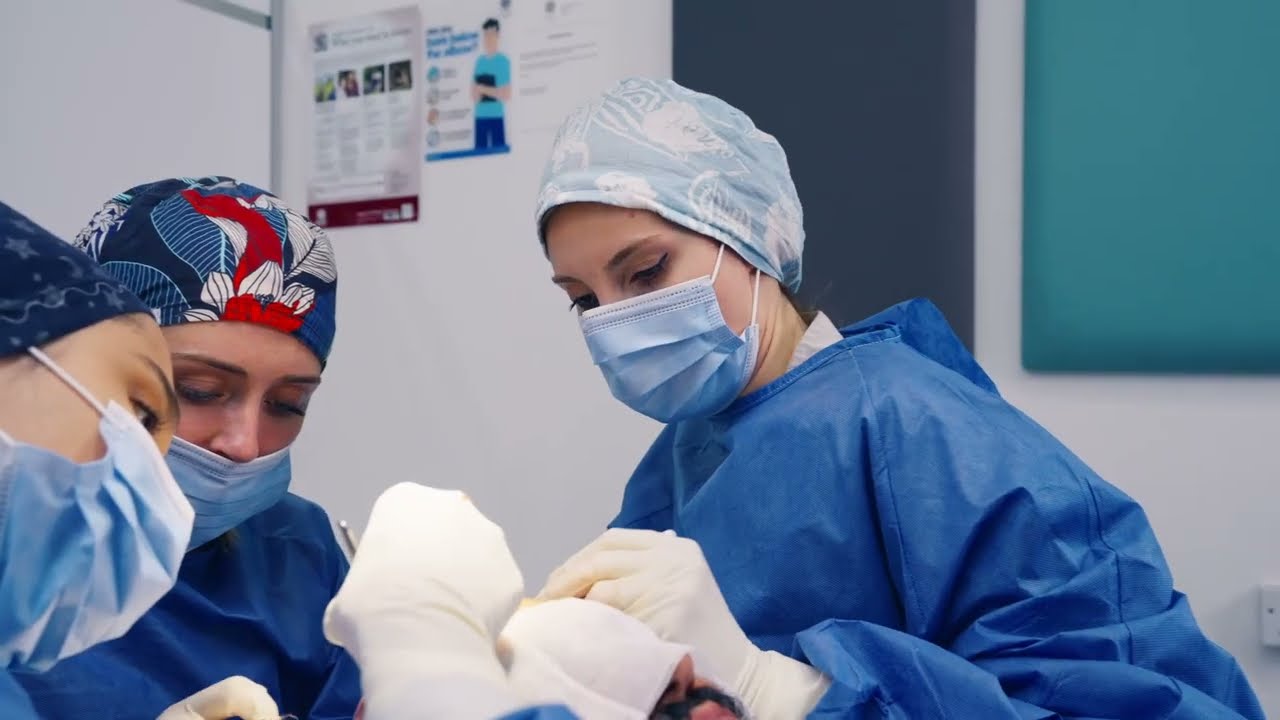
The duration of hair transplantation varies according to the number of grafts to be transplanted in operation. It usually varies between 6-8 hours. You can also listen to music or watch movies during hair transplantation. Most of the patients find the operation time quite reasonable.
About 2 to 4 weeks after hair transplantation, temporary hair loss is experienced. Temporary hair loss after FUE hair transplantation is a natural cycle of the healing process. Hair follicles enter the dormant period before starting the growth cycle and then fall out. In this process, the hair will fall out first. After a while, after the shock shedding process has passed, the transplanted hair will start to grow back.
Hair growth after a transplant is gradual. Initial growth can typically be observed around 3-4 months post-procedure, with full results visible within 9-12 months as your transplanted hair continues to grow.
Our procedures are performed under local anesthesia, which minimizes discomfort. Most patients report a painless experience during the procedure, with manageable discomfort during the initial healing phase.
The number of grafts needed varies depending on the extent of hair loss and desired density. During your consultation at FKS Clinic, our specialists will provide a clear assessment and an estimate of the required grafts.
Recovery after a hair transplant is generally quick, and most patients can resume daily activities within a week. Any minor redness or swelling typically subsides within a few days.