PRP Therapy for Hair Regrowth (Benefits & Risks)
This article is medically reviewed by Dr. Kuddusi Onay
Index
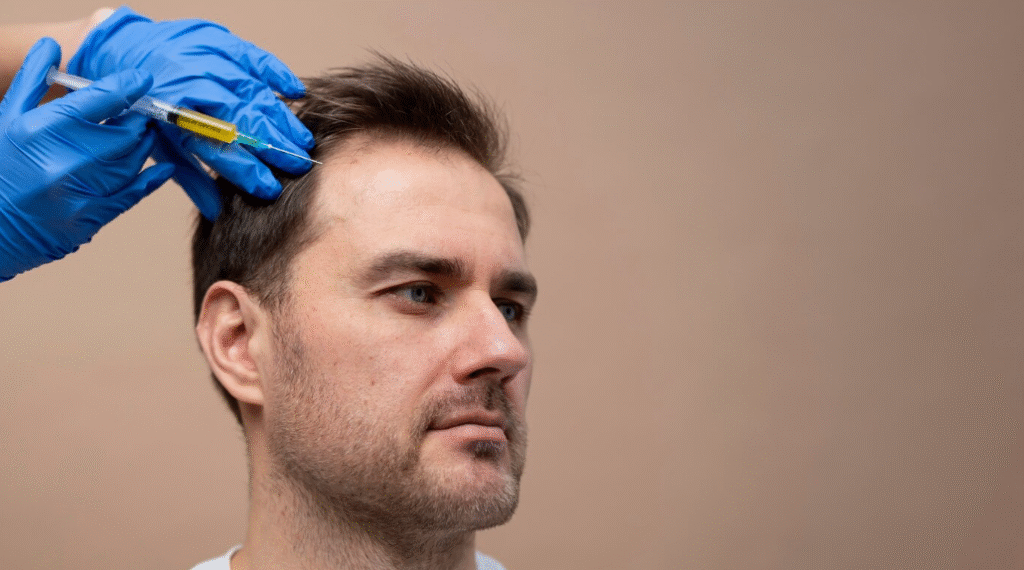
What is PRP Therapy for Hair Regrowth?
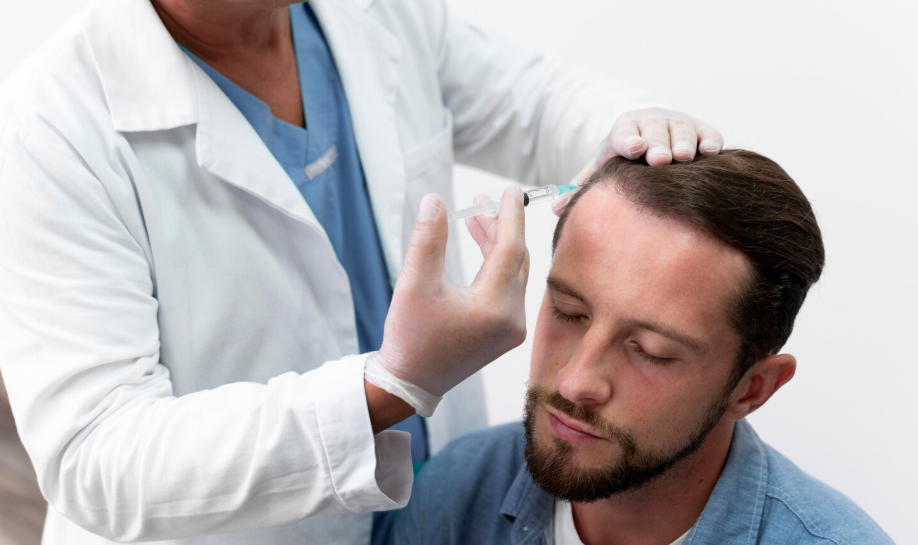
Platelet-Rich Plasma (PRP) therapy is a non-surgical treatment that uses the patient’s own blood to stimulate hair growth. The procedure involves drawing a small amount of blood, processing it to concentrate the platelets, and injecting the plasma into the scalp. Platelets contain growth factors that can stimulate dormant follicles, improve circulation, and strengthen existing hair. PRP therapy is commonly used for individuals with thinning hair or early stages of hair loss, offering a natural option for regrowth without invasive surgery.
Benefits of PRP Therapy for Hair Growth
Stimulates Dormant Follicles: Encourages follicles in the resting phase to re-enter growth.
Strengthens Existing Hair: Improves hair shaft thickness and reduces shedding.
Natural & Safe: Uses the patient’s own blood, reducing risk of allergic reactions.
Non-Surgical Procedure: Minimally invasive with little downtime.
Works Alongside Other Treatments: Can complement hair transplants or topical solutions.
Benefits vs. Risks of PRP Therapy
| Aspect | Benefits | Risks |
|---|---|---|
| Safety | Autologous (uses own blood), low allergy risk | Mild pain, redness, temporary swelling |
| Effectiveness | Stimulates regrowth, thickens hair | Variable results depending on patient |
| Convenience | Outpatient procedure, minimal downtime | Multiple sessions required |
| Longevity | Can provide lasting results with maintenance | Effects may fade without repeat treatments |
| Side Effects | Usually mild and short-lived | Rare infection, dizziness, or bruising |
What to Expect from PRP Treatment
PRP therapy typically requires a series of sessions, often spaced 4–6 weeks apart, followed by maintenance treatments every few months. Results vary, with some patients noticing reduced shedding and stronger regrowth within 3–6 months. As it is not a cure for genetic hair loss, PRP works best when combined with other medical or surgical treatments. Consultation with a hair specialist is essential to determine candidacy, as factors such as age, health, and stage of hair loss influence success.
FAQs
Most patients require 3–4 initial sessions spaced a few weeks apart, followed by maintenance every 6–12 months.
Mild discomfort may be felt during injections, but numbing creams or local anaesthetics are usually applied to minimise pain.
Improvements typically become noticeable within 3–6 months, with thicker hair and reduced shedding.
Downtime is minimal. Most people can return to normal activities the same day, with only mild scalp tenderness.
Yes, FKS clinics use PRP to support healing and enhance results after transplantation.