
This article was medically reviewed by Dr. Kuddusi Onay
Healthy hair growth and maintaining optimal hair density are fundamental concerns for millions experiencing hair loss, hair thinning, or androgenetic alopecia.
Whether you’re noticing receding hairlines, crown balding, or diffuse hair loss patterns, understanding the complex hair growth cycle and implementing evidence-based hair restoration strategies can dramatically improve your results.
From stimulating hair follicles with targeted scalp treatments and essential nutrients to exploring advanced hair transplant techniques and non-surgical hair growth solutions, a comprehensive approach combining proper hair care routines, scalp health optimization, and professional hair loss treatments offers the most effective path to achieving thicker, fuller hair.
This comprehensive guide examines scientifically-proven methods for hair growth stimulation, natural hair regrowth techniques, and modern hair restoration options to help you overcome hair loss challenges and restore your confidence.
A balanced diet is crucial for healthy hair growth. Your hair needs a variety of nutrients to grow and stay healthy. Incorporate the following foods into your diet to promote hair growth:
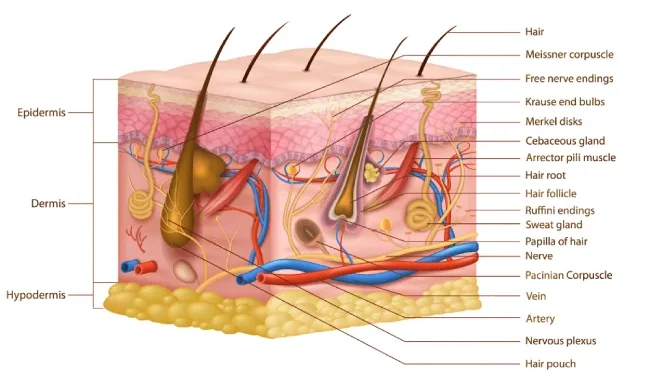
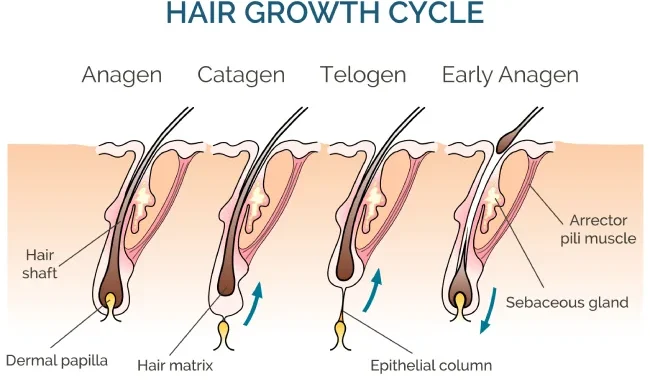
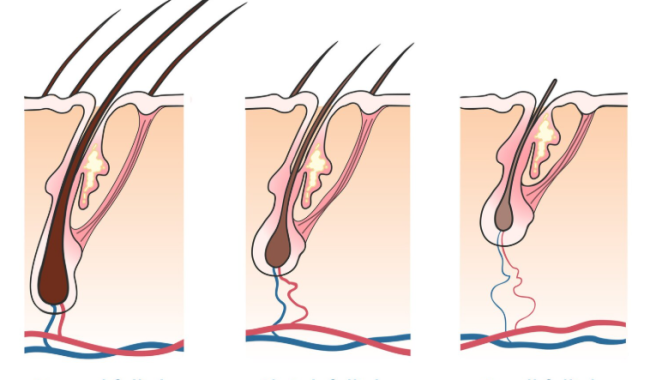
A healthy scalp is the foundation for healthy hair growth. Follow these tips to keep your scalp in top condition:
Various treatments claim to promote hair growth, but some are more effective than others:
Natural remedies can enhance hair growth and thickness without harsh chemicals:
Your lifestyle greatly impacts your hair health. Implement these changes to support hair growth:
At FKS Clinic, we regularly advise patients on effective methods to support natural hair growth.
Many myths about hair growth can lead to false expectations and ineffective treatments. Here are some common myths debunked:
Myth: Cutting your hair makes it grow faster. Fact: Hair growth occurs at the scalp, so cutting hair doesn’t affect its growth rate.
Myth: Brushing your hair 100 times a day promotes growth. Fact: Over-brushing can cause breakage and damage. Brush gently to detangle and distribute natural oils.
Myth: Shampooing daily is bad for your hair. Fact: Frequency depends on your hair type. Some may need daily washing, while others benefit from less frequent cleansing.
These tips and insights can help you on your journey to healthier, longer, and thicker hair.
The frequency of washing your hair depends on your hair type and lifestyle. Generally, washing your hair 2-3 times a week is sufficient for most people. If you have oily hair or engage in activities that cause you to sweat a lot, you might need to wash it more frequently. However, over-washing can strip your hair of natural oils, leading to dryness and breakage. Use a gentle, sulfate-free shampoo and follow with a conditioner to keep your hair and scalp healthy.
Hair growth supplements can be beneficial if you have a deficiency in certain vitamins and minerals that are essential for hair health, such as biotin, vitamin D, iron, and zinc. However, they are not a magic solution and won’t produce overnight results. It’s important to maintain a balanced diet and consult with a healthcare professional before starting any supplement regimen. They can help you determine if you have any deficiencies and recommend appropriate supplements.
Yes, stress can cause hair loss through a condition called telogen effluvium, where hair follicles enter the resting phase prematurely. To prevent stress-related hair loss, it’s important to manage stress effectively. Practices such as regular exercise, meditation, yoga, and deep breathing exercises can help reduce stress levels. Additionally, ensuring you get enough sleep and maintaining a healthy work-life balance are crucial for reducing stress and promoting overall well-being.
Yes, several natural remedies can promote hair growth. Some popular options include:
Scalp massage increases blood circulation to hair follicles, potentially stimulating growth. Studies show that 5-10 minutes of daily scalp massage can improve hair thickness over 24 weeks. Using essential oils like rosemary or peppermint during massage may enhance the benefits through improved follicle stimulation.
Hair growth naturally begins to slow after age 25-30, with follicles gradually producing thinner, shorter hairs. After 40, both men and women experience decreased hair growth rates due to hormonal changes. However, proper nutrition, scalp care, and targeted treatments can help maintain healthier hair growth throughout aging.
Yes, hair typically grows 10-15% faster during summer months due to increased blood circulation, higher vitamin D levels from sun exposure, and improved scalp health. Cold weather and reduced daylight in winter can slow hair growth and increase shedding, making seasonal hair care adjustments important.
Hair washing frequency doesn’t directly affect growth from the follicle, but scalp health impacts follicle function. Over-washing can strip natural oils and irritate the scalp, while under-washing allows buildup that clogs follicles. Most people benefit from washing 2-3 times per week with gentle, sulfate-free shampoos.
Yes, both smoking and excessive alcohol consumption negatively affect hair growth. Smoking reduces blood circulation to the scalp and depletes vitamin C levels, while alcohol interferes with nutrient absorption and increases inflammation. Reducing or eliminating these habits supports healthier hair growth.