Best Vitamins for Hair Growth: Biotin, Vitamin C, Iron & More
This article is medically reviewed by Dr. Kuddusi Onay
Index
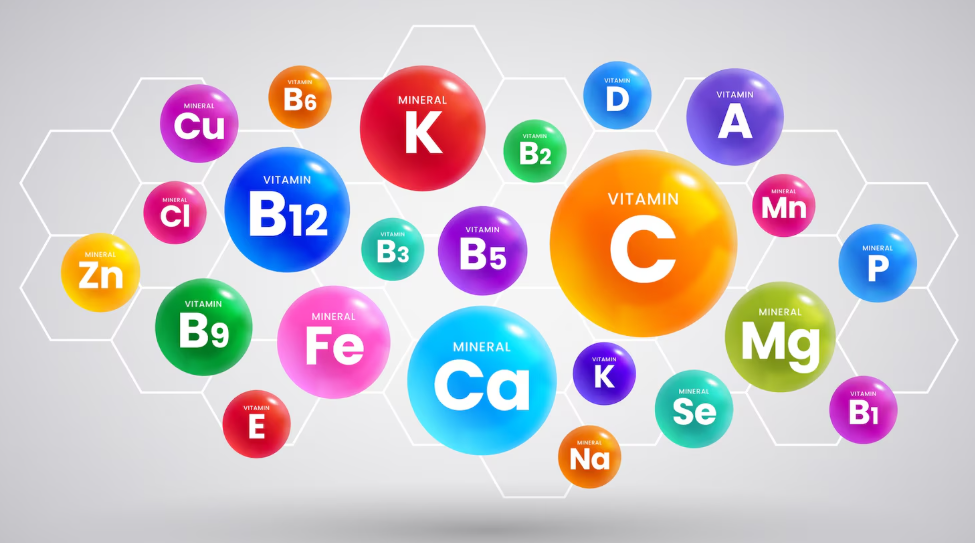
Hair growth depends on a healthy balance of nutrients that nourish both the scalp and the follicles.
Vitamins play a critical role in strengthening hair strands, stimulating follicle activity and preventing premature shedding. Deficiencies in certain vitamins can lead to thinning, breakage, or slower regrowth after hair loss.
Supplements are not always a replacement for a balanced diet, but they can support individuals who struggle to meet their nutritional needs through food alone. Understanding which vitamins are linked most closely with hair growth is essential for anyone seeking to improve thickness, density, and shine.
Key Vitamins for Stronger & Healthier Hair
Biotin (Vitamin B7): Supports keratin production, essential for strand strength and structure.
Vitamin C: A powerful antioxidant that helps collagen production and improves iron absorption.
Iron: Prevents anaemia-related hair shedding by boosting oxygen supply to follicles.
Vitamin D: Linked with new follicle formation and reduced thinning.
Vitamin E: Improves scalp circulation and protects cells against oxidative stress.
Zinc: Helps tissue repair and regulates oil glands around the follicles.
Comparison of Essential Hair Growth Vitamins
| Vitamin / Mineral | Main Function for Hair | Food Sources | Deficiency Signs |
|---|---|---|---|
| Biotin (B7) | Keratin production, hair strength | Eggs, nuts, whole grains | Brittle hair, thinning |
| Vitamin C | Collagen formation, iron absorption | Citrus fruits, peppers, berries | Weak strands, slow growth |
| Iron | Oxygen transport to follicles | Red meat, spinach, legumes | Excessive shedding, dullness |
| Vitamin D | Stimulates follicles, reduces thinning | Sunlight, fatty fish, fortified foods | Patchy hair loss |
| Vitamin E | Protects scalp, boosts circulation | Almonds, sunflower seeds, avocados | Dry scalp, lack of shine |
| Zinc | Repairs tissues, oil balance | Pumpkin seeds, seafood, beans | Scalp flakiness, shedding |
Do You Need Supplements or a Balanced Diet?
While vitamin supplements are widely available, they are most effective when taken to correct an identified deficiency. For many people, a varied diet rich in lean proteins, fruits, vegetables, and whole grains provides enough nutrients to maintain healthy hair growth. Supplements may be useful for those with restricted diets, underlying health conditions, or higher nutritional demands. Consulting a healthcare professional before starting any vitamin regime is recommended, as excessive intake can sometimes lead to side effects or imbalances.
FAQs about Vitamins for Hair Growth
Most people notice improvements within 3 to 6 months, as hair grows slowly and nutritional changes take time to reflect in follicle activity.
If they contain the same dosage and quality of nutrients, gummies can be just as effective as tablets. However, sugar content in gummies should be considered.
Excess biotin does not directly harm hair, but very high doses can interfere with certain lab test results and may cause mild side effects such as skin rashes or stomach issues. A balanced intake is more beneficial.
Postpartum women may benefit from iron, vitamin D, and biotin supplements if recommended by their doctor, as nutritional depletion is common after childbirth.