Best Foods for Hair Growth: What to Eat for Stronger Hair
This article is medically reviewed by Dr. Kuddusi Onay
Index
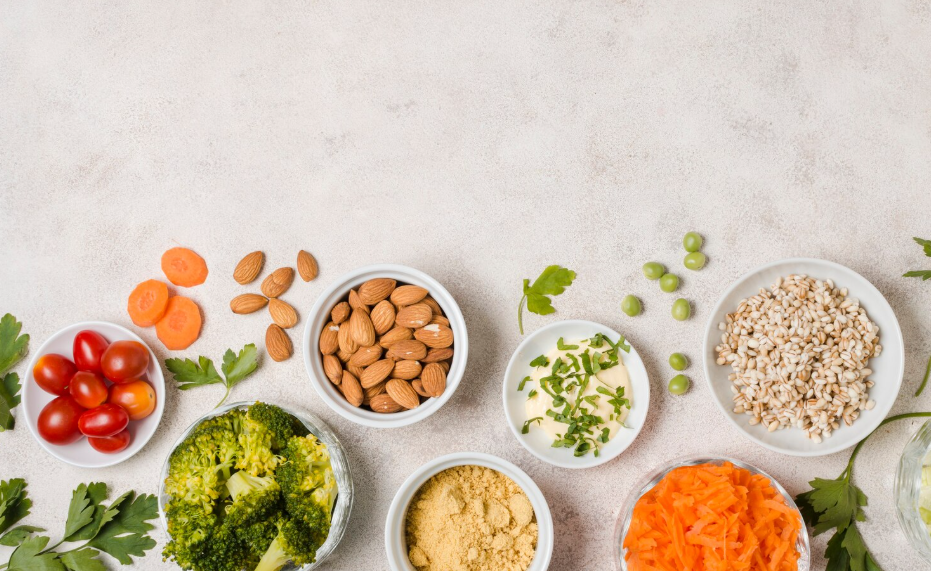
What are the Best Foods for Hair Growth?
Hair growth is influenced not only by genetics and hair care routines but also by what you eat each day. Nutrient-dense foods provide the building blocks for stronger, shinier, and healthier strands. Proteins, vitamins, minerals, and healthy fats all play a vital role in keeping follicles active and preventing excessive shedding. A well-balanced diet supports both scalp health and hair density, making food one of the most natural and sustainable solutions for hair growth. Understanding which foods deliver these essential nutrients helps you make better dietary choices for long-term hair health.
Top Foods to Add to Your Diet for Hair Growth
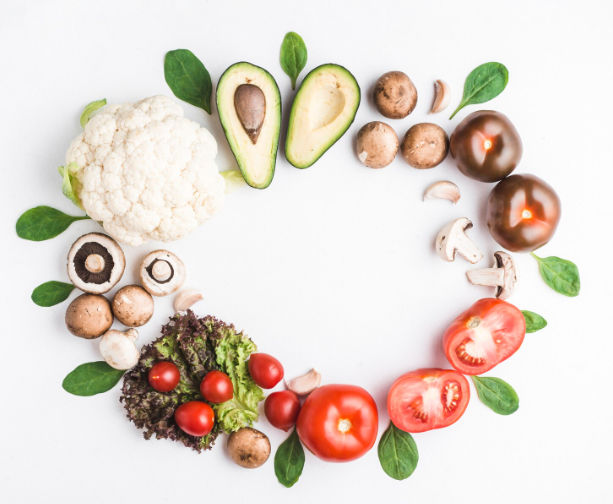
Eggs: Rich in protein and biotin, both essential for keratin production.
Spinach: Packed with iron, vitamin C, and antioxidants that reduce follicle stress.
Fatty Fish: Salmon, mackerel, and sardines provide omega-3 fatty acids for scalp hydration.
Nuts & Seeds: Almonds, walnuts, and chia seeds offer vitamin E, zinc, and selenium.
Berries: Loaded with antioxidants and vitamin C to stimulate collagen production.
Avocados: A source of healthy fats and vitamin E for stronger hair.
Sweet Potatoes: Provide beta-carotene, which the body converts to vitamin A.
Food Groups and Their Role in Hair Growth
| Food Group | Key Nutrients | Benefits for Hair |
|---|---|---|
| Proteins (Eggs, Lean Meats, Legumes) | Biotin, Amino Acids | Strengthens strands and supports keratin production |
| Leafy Greens (Spinach, Kale) | Iron, Vitamin C | Improves oxygen delivery and reduces breakage |
| Fruits (Berries, Citrus, Papaya) | Vitamin C, Antioxidants | Boosts collagen and protects follicles |
| Healthy Fats (Avocado, Olive Oil, Nuts) | Omega-3, Vitamin E | Nourishes scalp and improves shine |
| Whole Grains & Seeds | Zinc, Selenium, Fibre | Regulates scalp oil and supports tissue repair |
How Nutrition Impacts Long-Term Hair Health
A nutrient-rich diet helps prevent thinning and ensures follicles remain active in the growth phase for longer. Unlike temporary fixes, consistent nutritional support builds stronger hair from the root up. Poor diets lacking iron, protein, or essential vitamins can quickly lead to brittle strands, excessive shedding, and slower regrowth. By focusing on variety—combining proteins, healthy fats, vitamins, and minerals—you create the foundation for resilient and vibrant hair over the long term.
FAQs
Yes, eggs provide protein and biotin, which are directly linked to keratin production. Eating them regularly supports stronger and thicker strands.
Yes, irregular eating can cause nutrient deficiencies, leading to shedding and slower regrowth. Consistency in nutrition is key.
Not at all. Plant-based proteins like lentils, beans, nuts, seeds, and leafy greens provide plenty of essential nutrients for healthy hair.
Moderate caffeine is not harmful and may even stimulate follicles. Excessive intake, however, can increase stress hormones that may trigger shedding.
Spicy foods don’t directly cause hair loss, but excessive intake may increase sweating and scalp irritation in some individuals.
Yes, avocados are rich in vitamin E and healthy fats, both of which protect and strengthen hair follicles.
At least 2 litres daily is recommended to keep hair hydrated and reduce dryness.