


This article is medically reviewed by Dr. Kuddusi Onay

A 3000 grafts hair transplant involves the extraction and transplantation of approximately 3000 follicular units—equivalent to around 6000 to 9000 individual hairs, depending on each graft’s follicle count. This graft count is commonly used to treat moderate to advanced stages of hair loss, offering significant coverage across both the frontal zone and mid-scalp, and sometimes partially into the crown. The procedure is most often carried out using FUE (Follicular Unit Extraction) or DHI (Direct Hair Implantation), and it typically takes one full day under local anaesthesia. With proper planning, this amount of grafts can achieve a noticeably fuller appearance, significantly improving facial symmetry and self-confidence.
With 3000 grafts, surgeons can cover 80 to 100 cm² of scalp, making it ideal for men with Norwood Scale stage 3 to 5 hair loss. The number allows for an effective restoration of the frontal hairline, mid-scalp, and parts of the vertex or crown depending on patient priorities. The density achieved typically falls within the natural range of 30–40 grafts per cm², which is enough for a visibly dense and aesthetically balanced result. The success of this coverage depends on factors such as hair calibre, skin tone contrast, curl pattern, and scalp health. Surgeons often take a strategic approach, starting with the hairline and working backwards to maximise visual impact.
Patients with widespread thinning or balding in multiple zones benefit most from 3000 grafts. It’s especially suited to individuals in their 30s to 50s who have a stable donor area and are seeking a more transformative change than smaller sessions provide. This graft count is also popular among those undergoing a second hair transplant, either to thicken previously treated areas or to address the crown after frontal restoration. The donor area, typically the back and sides of the scalp, must have enough density to support this extraction volume without creating visible gaps. A well-executed 3000 graft procedure can deliver long-lasting and natural-looking results when paired with post-op maintenance like PRP or finasteride.
In the UK, the cost of a 3000 graft hair transplant generally ranges from £5,500 to £8,000, depending on the clinic’s location, surgeon expertise, and whether the procedure includes DHI or FUE methods. Many CQC-registered clinics in London and other major cities offer financing options, detailed aftercare packages, and ongoing check-ins to ensure optimal healing and growth. While the upfront cost may be higher compared to overseas options, UK patients benefit from convenient access to consultations, better legal protections, and no travel recovery stress. Additionally, being treated locally allows for easier management of any revision or top-up needs in the future.
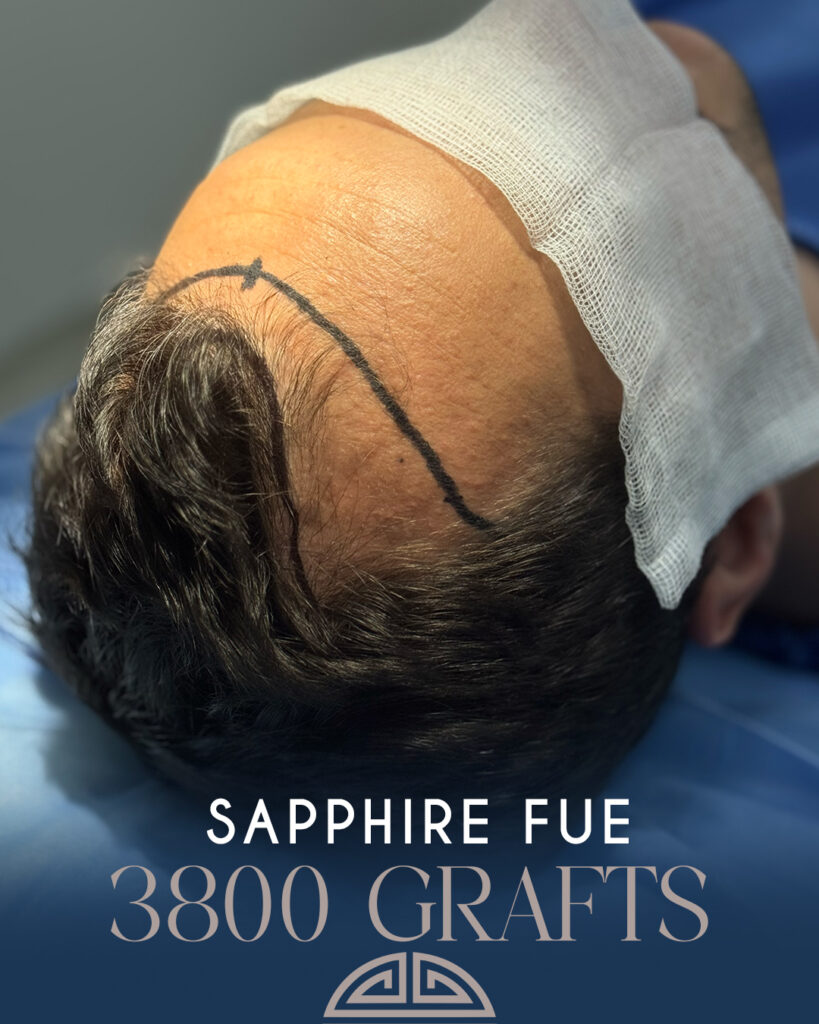
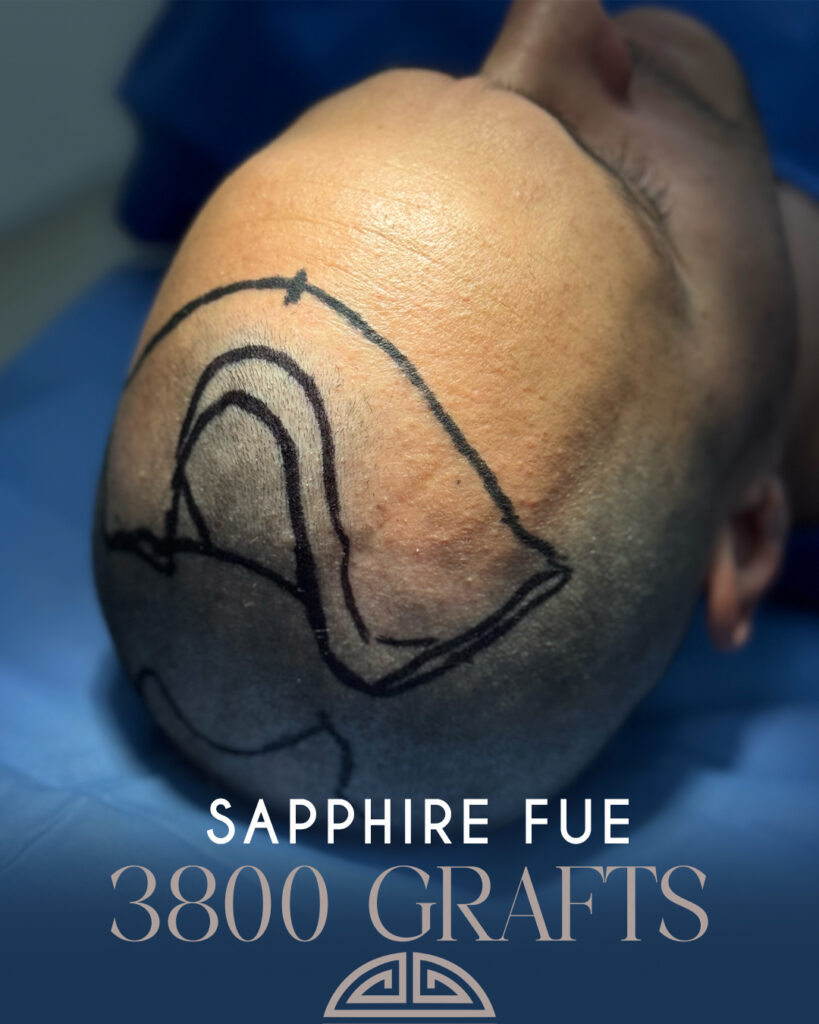
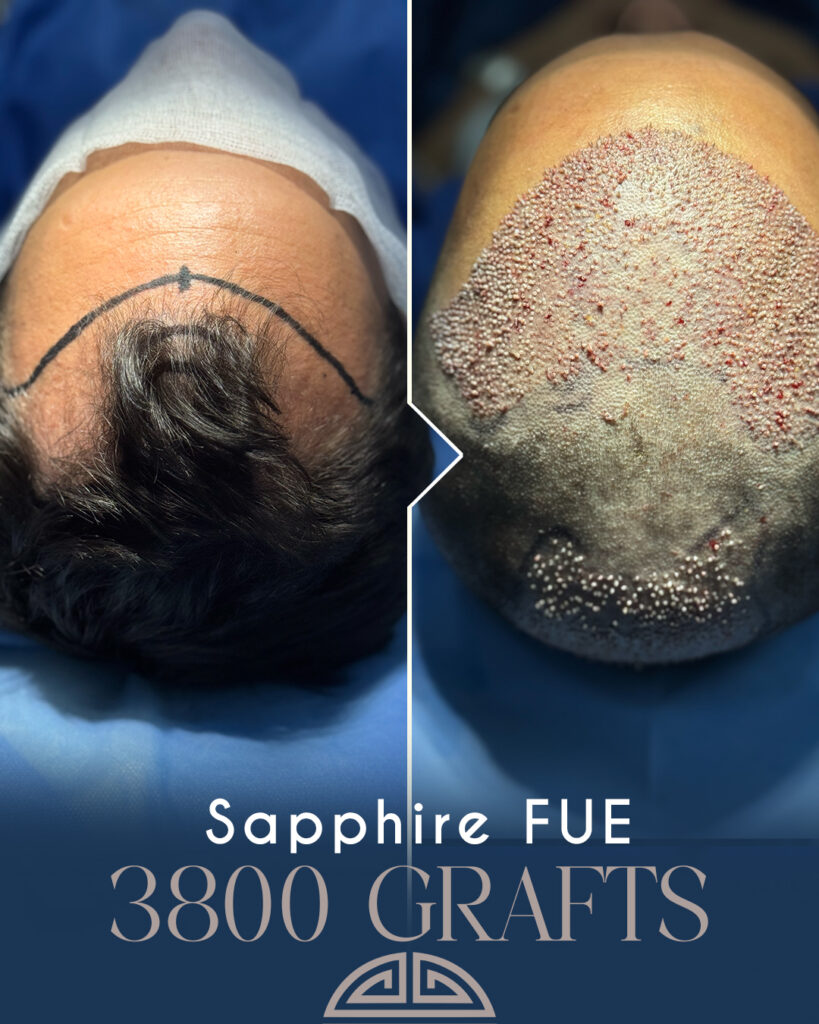
Approximately 6000 to 9000 hairs, depending on the number of follicles per graft and individual hair characteristics.
This amount can restore the entire frontal area, mid-scalp, and may even partially fill the crown depending on hair thickness.
For many patients, yes. Especially if hair loss is moderate. Extensive balding may still require more grafts or multiple sessions.
No, if the grafts are placed with correct density and angulation by a skilled surgeon, the results appear natural.
A well-managed donor area can handle 3000 grafts without leaving visible thinning, especially if hair density is high.
Yes, once the transplanted hairs fully grow out, you can cut, colour, and style them like natural hair.