Does Hair Loss Come From Dad or Mom?
This article is medically reviewed by Dr. Kuddusi Onay
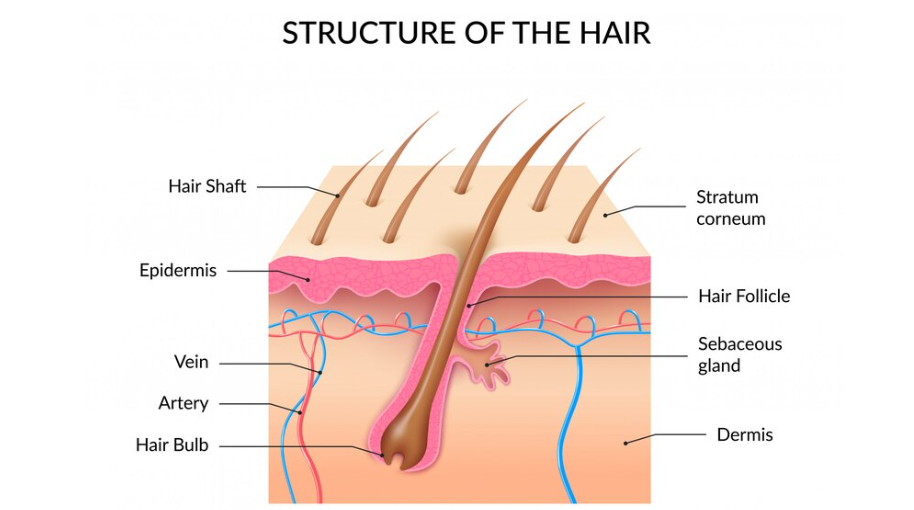
What is a hair follicle?
A hair follicle is a dynamic mini-organ embedded in the scalp that produces and supports the growth of hair. It consists of multiple layers and structures working in harmony to push hair through the skin surface. Each follicle follows a growth cycle consisting of anagen (growth), catagen (transition), telogen (rest), and exogen (shedding) phases.
The anatomy includes:
Bulb: The base, where the dermal papilla supplies nutrients.
Matrix cells: Actively dividing cells that form the hair shaft.
Inner and outer root sheath: Protect and shape the hair as it grows.
Sebaceous gland: Produces sebum to lubricate the hair and skin.
Arrector pili muscle: Contracts to make hair stand on end (“goosebumps”).
When follicles miniaturise—due to DHT or autoimmune responses—hair becomes thinner and eventually ceases to grow. Understanding this structure helps in developing effective hair loss treatments like PRP, finasteride, and hair transplants.
Follicles are highly vascularised, meaning they depend on blood supply for survival and optimal performance. Any condition that compromises circulation—like chronic stress or scalp tension—can affect their function. Advanced hair loss treatments such as PRP or low-level laser therapy aim to rejuvenate follicle cells by boosting blood flow and cellular activity. This microscopic yet intricate structure is what makes the difference between healthy growth and hair thinning.
Mildly damaged follicles can recover, but completely destroyed ones cannot regenerate.
It provides signals and nutrients that control hair growth and structure.
No, they cycle through active and resting phases.
An average adult has about 100,000 scalp hair follicles.
Research is underway, but human follicle cloning is not yet commercially viable.